Are you drawn to a private guard-gated estate, or does a sleek high-rise near the Strip feel more like your style? If you are exploring luxury homes in Las Vegas, that choice often shapes your daily life as much as the home itself. Understanding how these two lifestyles differ can help you narrow your search with more confidence and less guesswork. Let’s dive in.
Two Luxury Lifestyles in Las Vegas
Las Vegas luxury living often falls into two broad categories: guard-gated suburban communities and urban luxury towers. Both offer upscale homes, strong amenities, and a polished living experience, but they deliver that experience in very different ways.
In the west and southwest valley, communities like Summerlin and Southern Highlands are known for single-family homes, golf, trails, parks, and controlled-access neighborhoods. Closer to the core, luxury living often takes the form of high-rise residences near CityCenter, the Strip, and downtown Las Vegas, where service and convenience are built into the building itself.
Guard-Gated Living in Summerlin and Beyond
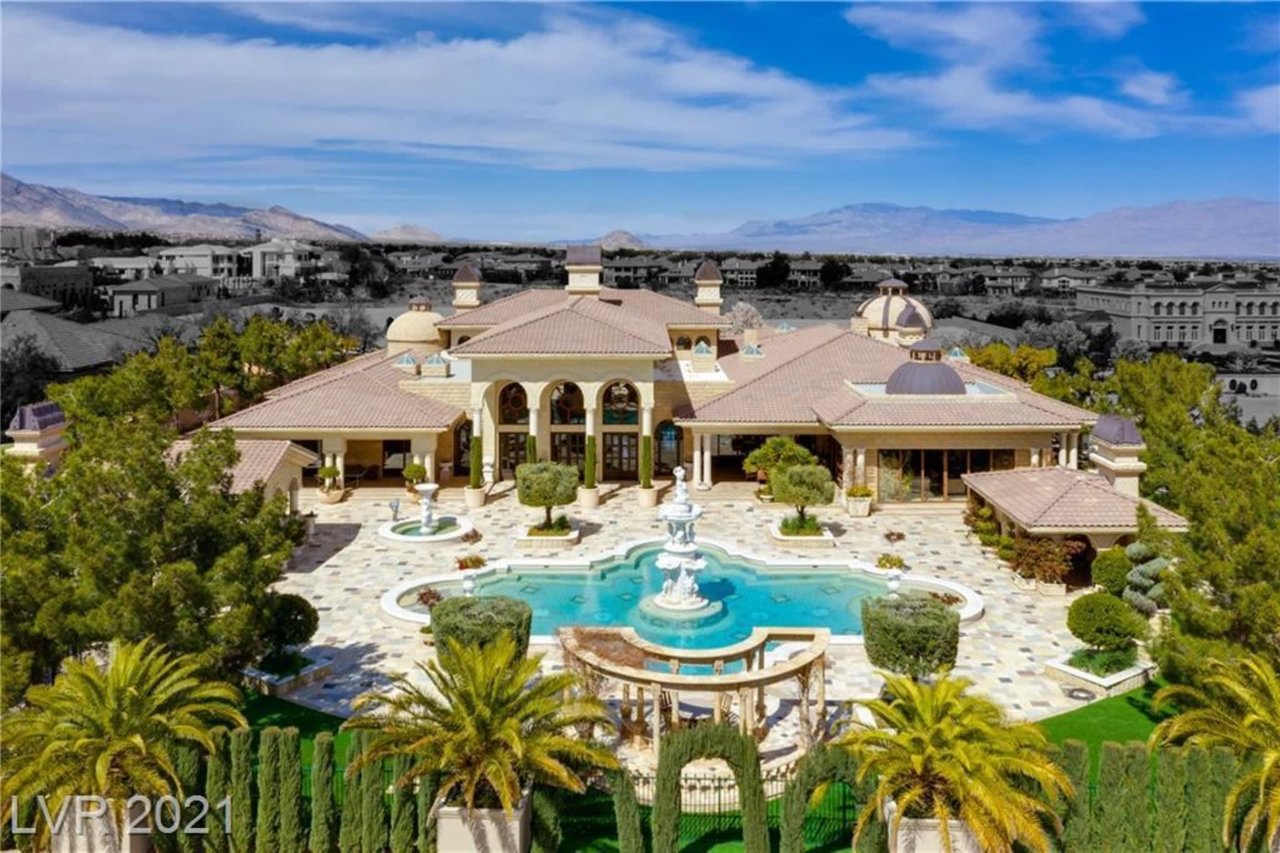
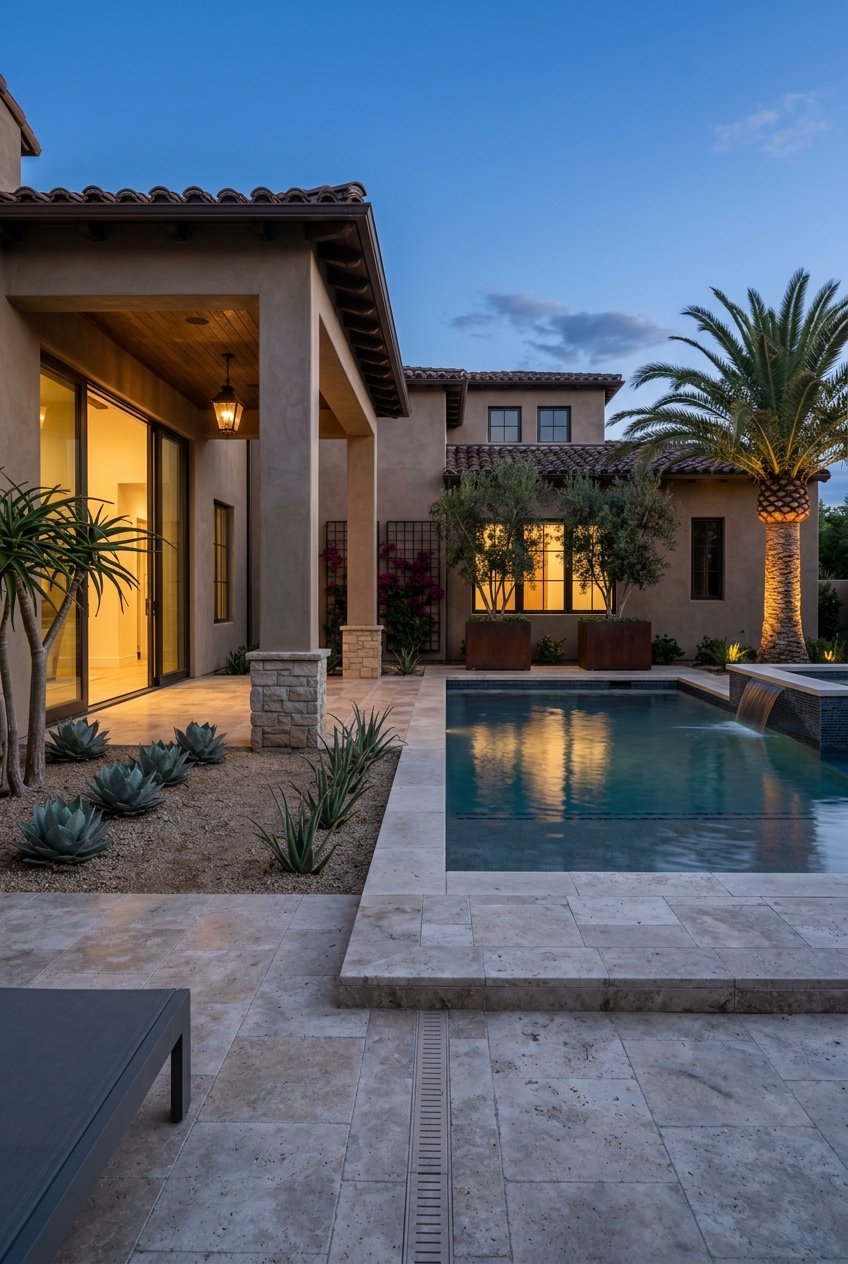
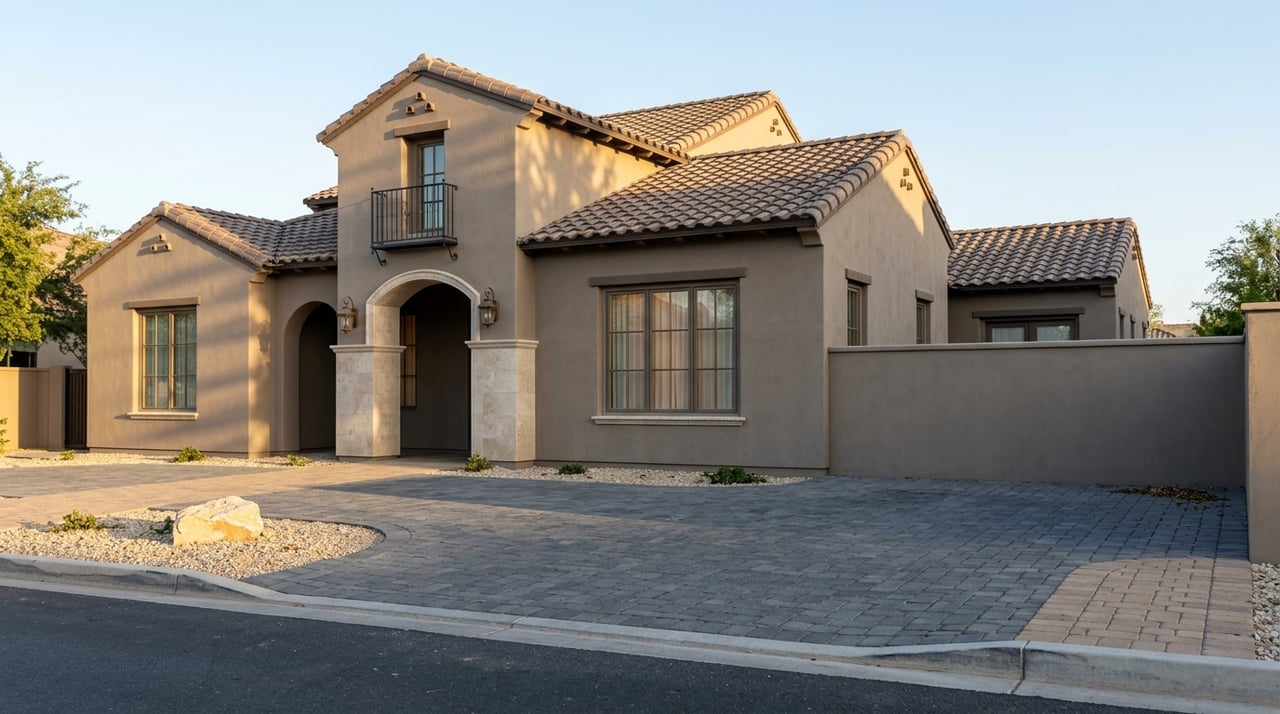
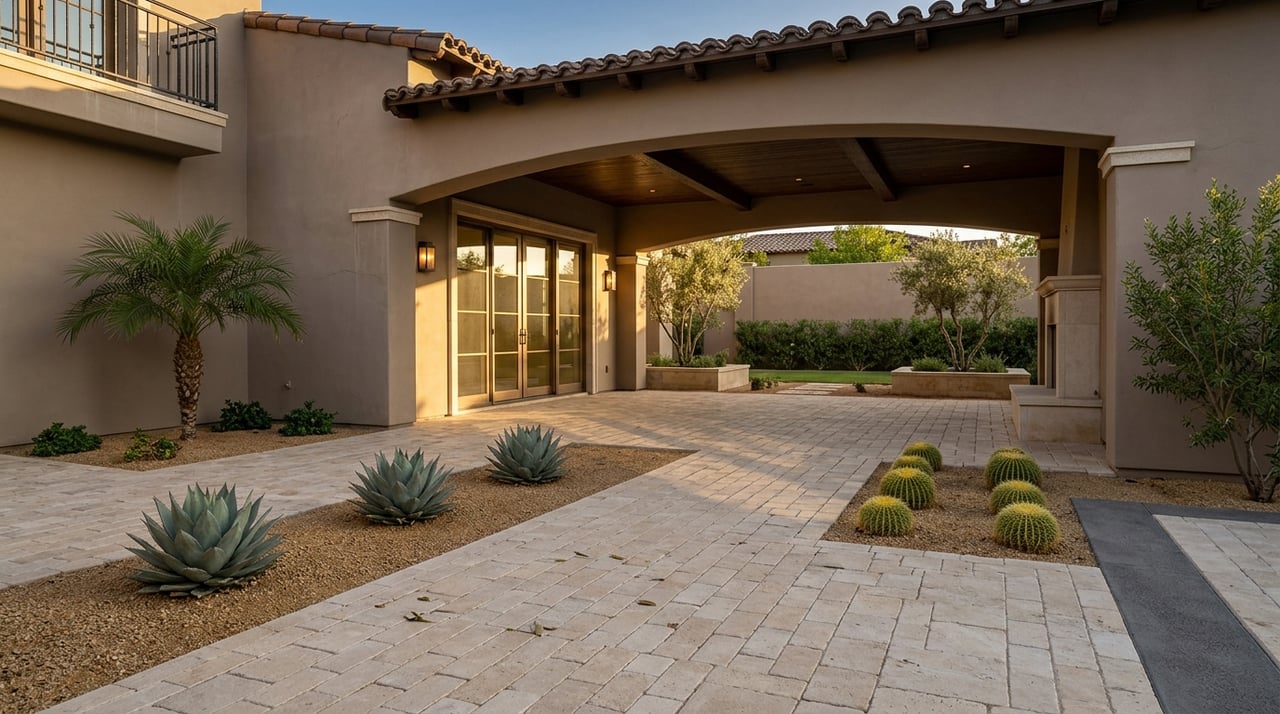
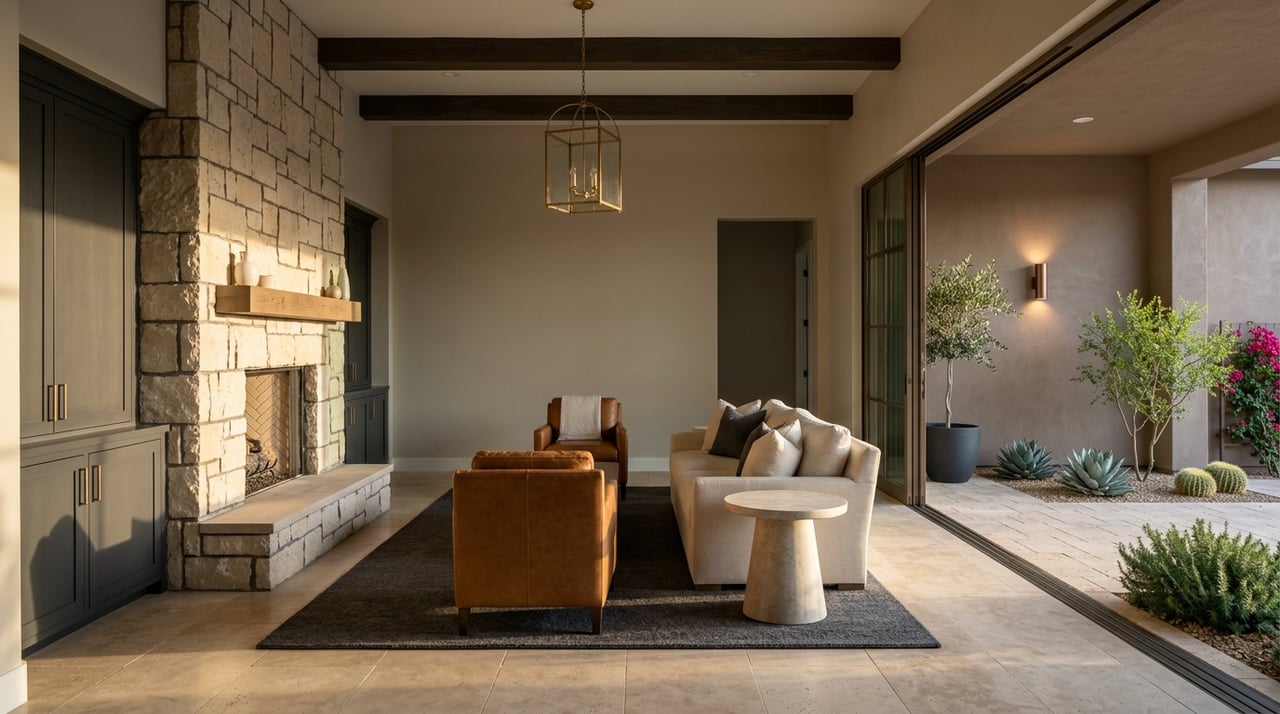
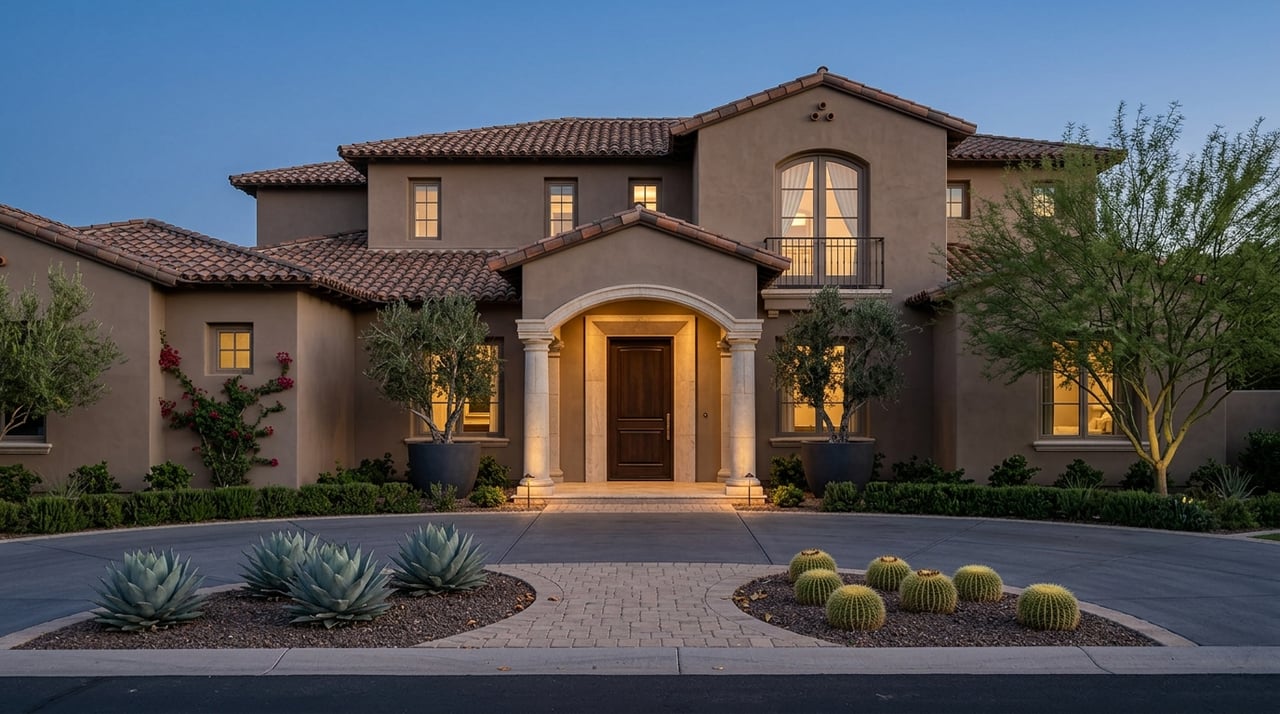
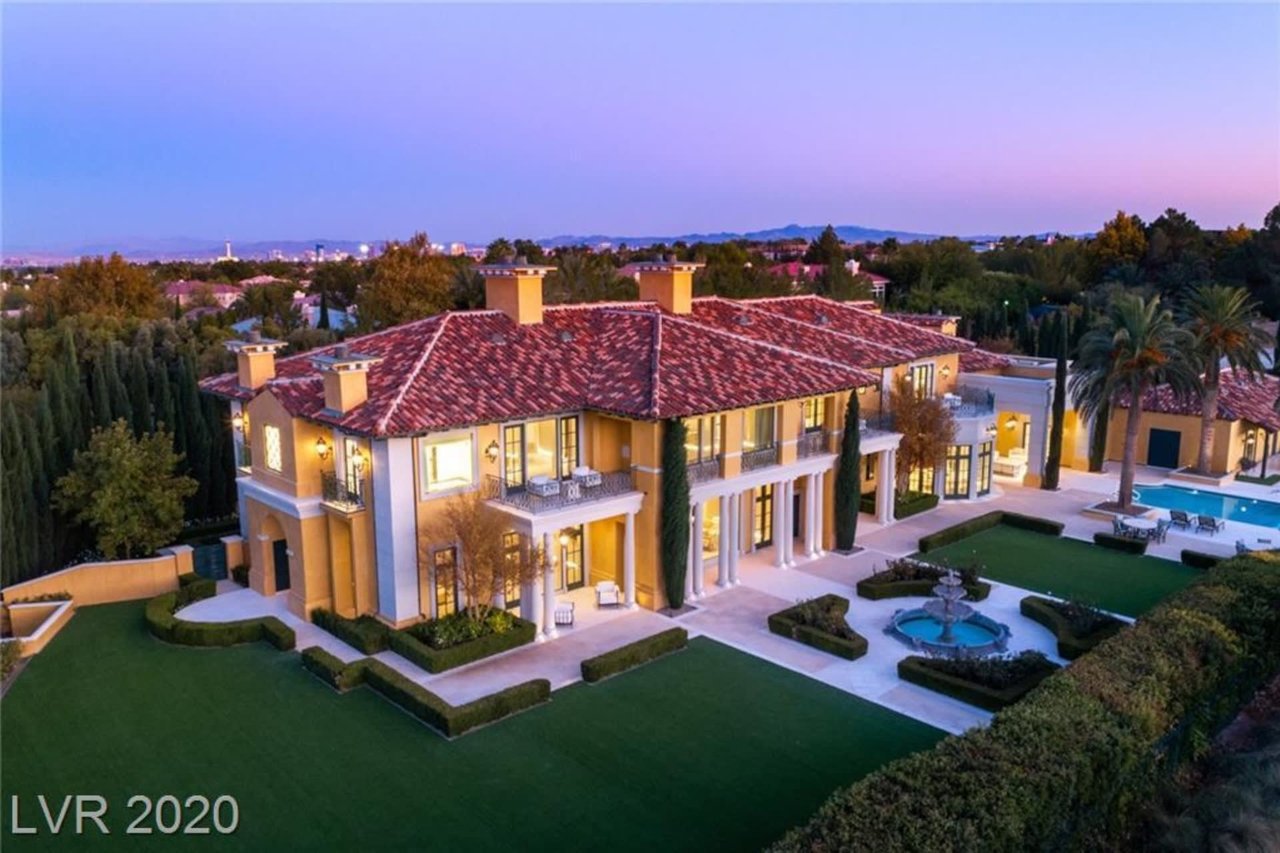
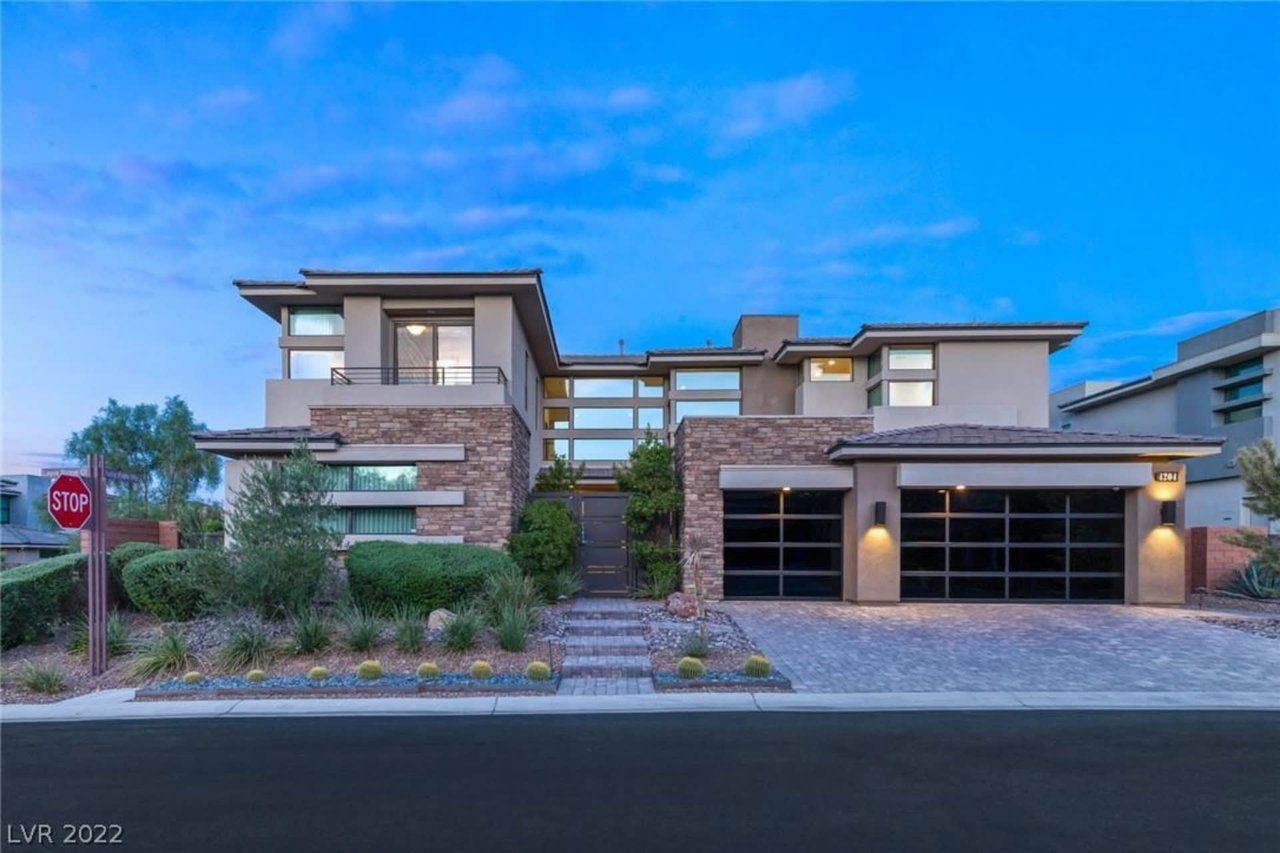
For many buyers, guard-gated luxury means more space, more separation, and a more traditional residential setting. These communities often center around detached homes, private entry points, and neighborhood amenities that support an active outdoor lifestyle.
Summerlin is one of the clearest examples. According to Summerlin, the community sits against Red Rock and includes more than 300 parks and over 200 miles of trails. That gives you a sense of why many buyers see this area as a lifestyle choice, not just a home search.
Notable Summerlin Luxury Enclaves
Several of Summerlin’s best-known luxury neighborhoods reflect the guard-gated model in different ways.
- Willow Creek is identified by Summerlin as a guard-gated custom home community.
- Red Rock Country Club is described as a 738-acre guard-gated residential village with about 1,000 luxury homes, two Arnold Palmer-designed golf courses, a main clubhouse, and a Sports Club.
- The Hills includes early custom neighborhoods such as Eagle Hills and Tournament Hills.
- The Ridges adds a residents-only Club Ridges and sits near Bear’s Best.
What these communities share is a sense of privacy paired with club-style amenities. If you want a detached home with room to spread out, this style may feel more natural than tower living.
Southern Highlands and Spanish Hills
Luxury guard-gated living is not limited to Summerlin. Southern Highlands is another major option in the south valley. Clark County describes it as a 2,299-acre master-planned community with residential land, golf, and public facilities, while the Southern Highlands HOA notes services such as security dispatch, courtesy patrol, landscape maintenance, and neighborhood rules.
The HOA also states that Southern Highlands is about 10 minutes from the Las Vegas Strip. That is an important point if you assume suburban luxury always means a long drive.
Spanish Hills Estates offers another useful comparison. Located in Spring Valley based on Clark County parcel records, it is an established gated, HOA-managed enclave. For buyers early in the process, Spanish Hills can represent the appeal of an established luxury neighborhood with a more residential feel than a high-rise setting.
Urban Luxury Near the Strip and Downtown
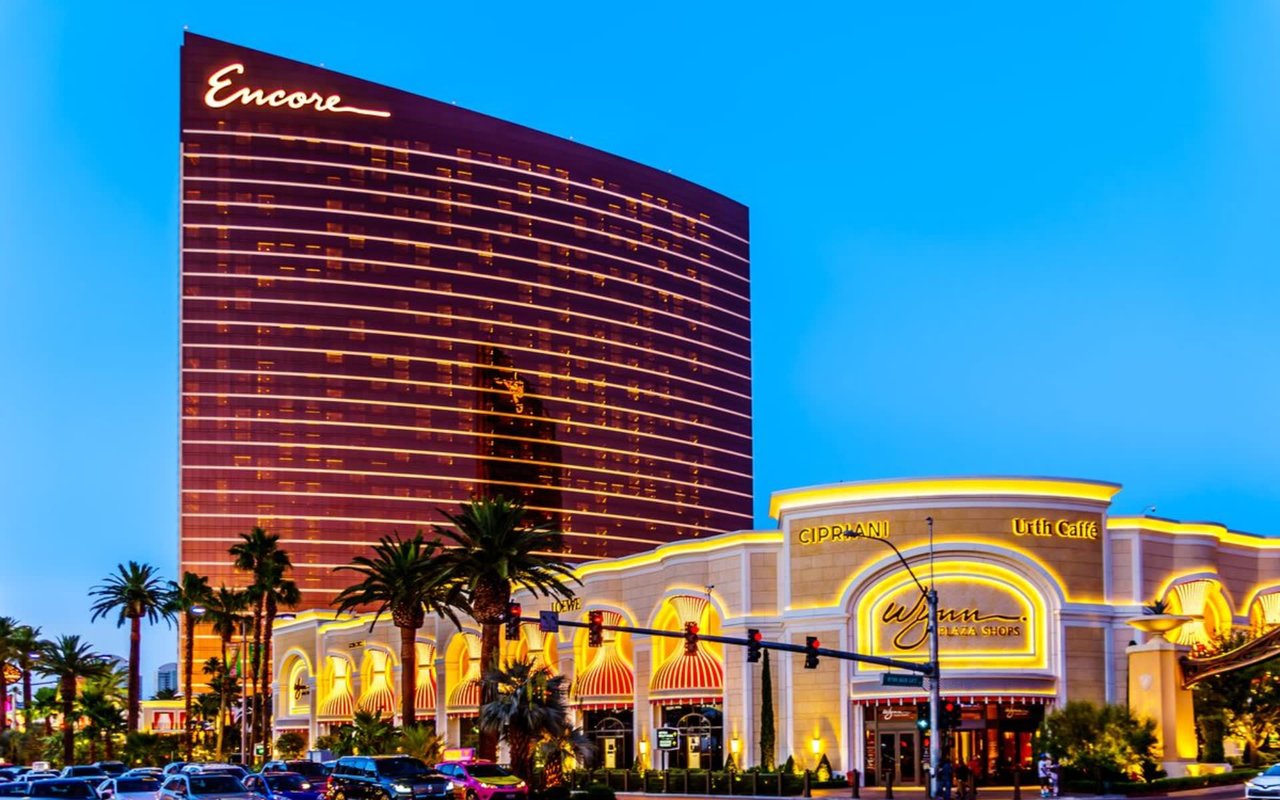
If your ideal day includes stepping out to dining, entertainment, or cultural destinations, urban luxury may be a better fit. In Las Vegas, this lifestyle is often centered in high-rise buildings with valet, concierge services, and shared amenities.
Instead of a large private lot or golf-course setting, urban luxury tends to focus on convenience, views, and service. You may trade some separation for a more connected, lock-and-leave experience.
CityCenter and Strip-Adjacent Towers
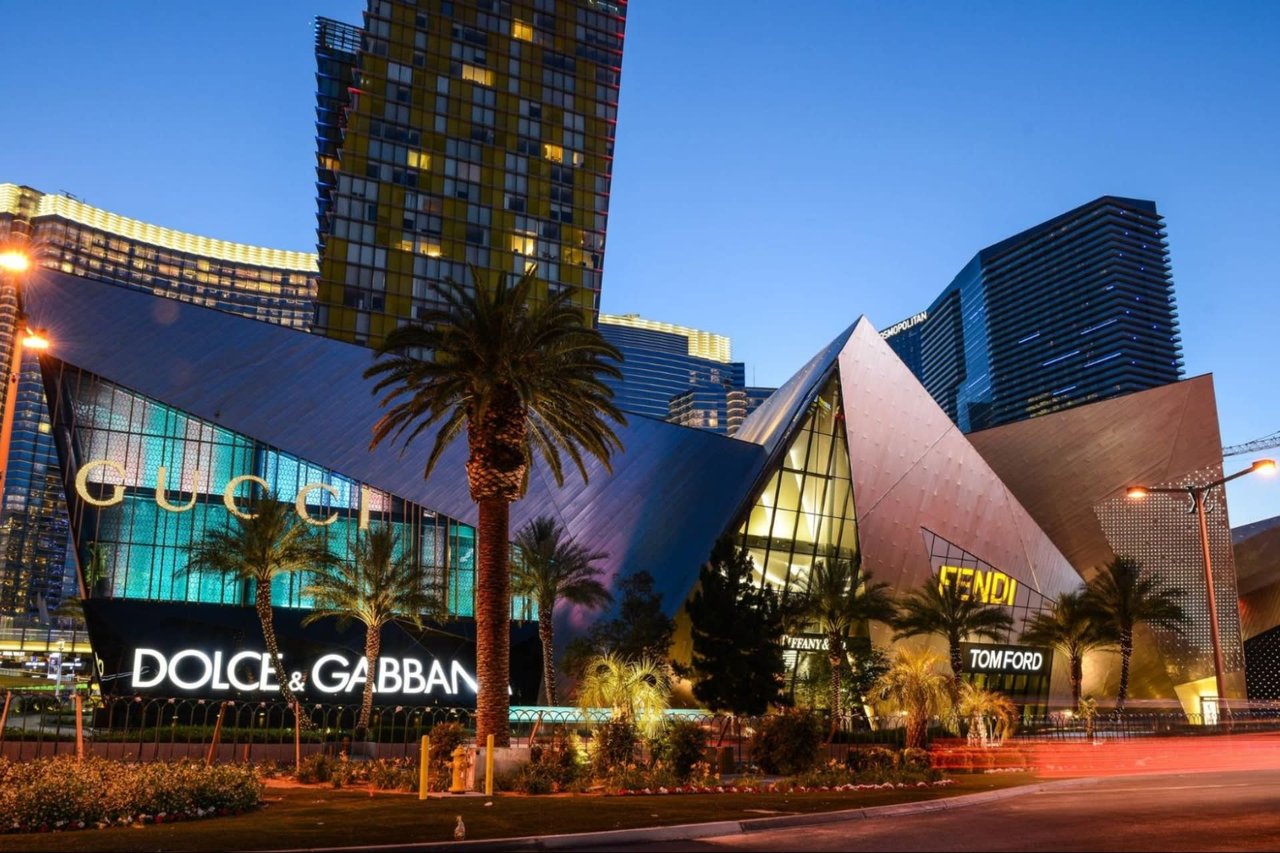
Veer Towers is a strong example of Strip-adjacent luxury. Its resident guide states that the property includes 670 residential condominiums across two 37-story towers beside The Crystals retail district in CityCenter.
Just as important as the unit count is how daily life works there. Veer’s policies reflect a highly managed environment with valet-only parking, front-desk package handling, approved window coverings, and detailed rules for contractors, deliveries, and lease terms. For some buyers, that structure feels streamlined and service-oriented. For others, it may feel more regulated than a detached home.
Waldorf Astoria Las Vegas represents another version of urban luxury. Located in the heart of the Strip near T-Mobile Arena and The Shops at Crystals, it emphasizes 24-hour personal concierges, an eighth-floor pool deck, spa access, and elevated service.
Downtown Luxury Living
Downtown Las Vegas offers a slightly different urban experience. The City of Las Vegas describes downtown as walkable, rich in restaurants, and anchored in part by Symphony Park, an evolving 61-acre district.
JUHL is one example of downtown luxury. It describes itself as a 344-unit high-rise with a rooftop pool, fitness center, indoor and outdoor lounges, 24/7 concierge service, floor-to-ceiling windows, private balconies, and walkable access to the Arts District, Fremont Street, and Symphony Park.
For buyers who value movement, energy, and easy access to city amenities, downtown may offer a compelling alternative to a guard-gated neighborhood.
Boutique High-Rise Options
Not every urban luxury property is a large tower. Park Towers shows the boutique side of the market, with just 84 residences. Its amenities include concierge, uniformed valet, a private spa and health club, pool, tennis court, screening room, wine cellar, and landscaped gardens.
That smaller scale may appeal to buyers who want urban convenience with a more limited resident count. It is a good reminder that urban living in Las Vegas comes in more than one format.
Privacy Versus Convenience
One of the biggest differences between these lifestyles is how privacy shows up in daily life. Guard-gated communities generally lean toward larger lots, detached homes, controlled access, and a quieter residential setting.
Urban towers, by contrast, lean toward density, shared spaces, and a more public-facing routine. You may have excellent services and strong amenities, but you will also move through lobbies, elevators, and common areas more often.
Neither option is better across the board. It comes down to whether you value separation and space more, or service and convenience more.
Maintenance and Rules Work Differently
Both guard-gated communities and high-rise buildings involve HOA oversight, but the day-to-day experience is not the same. In a suburban luxury neighborhood, the HOA may focus on exterior standards, landscaping, entry features, and community operations.
For example, Southern Highlands says owner approval is required before exterior changes, and the association also manages landscaping and security-related services. You still have more direct responsibility at the house-and-lot level.
In an urban tower, more of your routine may run through the building system. Veer Towers shows this clearly with centralized parking, deliveries, contractor access, lease administration, and design-related approvals. That setup can simplify daily logistics, but it also means more building-level rules.
Access Is Not as Simple as It Seems
Many buyers assume guard-gated communities are far from the action and urban towers are the only close-in option. In Las Vegas, that is not always true.
Summerlin positions itself as just minutes from the Strip, and Southern Highlands says it is about 10 minutes away. Downtown, on the other hand, offers a walkable core with restaurants, arts, and cultural venues nearby.
So the real question is often not distance alone. It is whether you want to drive to entertainment from a quieter enclave or walk to it from a service-rich building.
How to Choose the Right Fit
If you are deciding between guard-gated and urban luxury, it helps to think about your daily routine instead of focusing only on finishes or square footage.
Ask yourself:
- Do you want a detached home or a lock-and-leave residence?
- How important are privacy and lot size?
- Would you rather have trails, parks, and golf nearby, or restaurants and nightlife within walking distance?
- Do you prefer managing your own property more directly, or having more handled by a building staff?
- Are valet, concierge, and shared amenities a benefit for your lifestyle?
The right answer depends on how you want to live. In Las Vegas, both options can deliver luxury, but they do so in very different ways.
When you are comparing neighborhoods like Summerlin, Spanish Hills, Southern Highlands, or luxury towers near the Strip and downtown, local context matters. The strongest move is to match the property type to your routine, priorities, and long-term plans.
If you want thoughtful guidance as you compare Las Vegas luxury neighborhoods, Lisa Quam offers the local insight and hands-on service to help you find the right fit.
FAQs
What is the difference between guard-gated and urban luxury living in Las Vegas?
- Guard-gated living usually means detached homes, controlled entry, and a quieter neighborhood setting, while urban luxury living usually means high-rise residences with shared amenities, concierge-style services, and closer access to dining and entertainment.
Are guard-gated luxury neighborhoods in Las Vegas far from the Strip?
- Not always. Summerlin says it is just minutes from the Strip, and Southern Highlands says it is about 10 minutes away.
Which Las Vegas luxury option offers more privacy?
- In general, detached homes in guard-gated communities offer more separation and privacy than urban towers, which involve more shared spaces and building access points.
Does urban luxury living in Las Vegas require less maintenance?
- Often, yes. Buildings like Veer Towers and JUHL bundle many daily logistics and common-area upkeep into the building operation, which can reduce hands-on property responsibilities.
What are examples of guard-gated luxury communities in Las Vegas?
- Examples mentioned here include Willow Creek, Red Rock Country Club, The Hills with neighborhoods such as Eagle Hills and Tournament Hills, Southern Highlands, and Spanish Hills Estates.
What are examples of urban luxury buildings in Las Vegas?
- Examples mentioned here include Veer Towers, JUHL, Park Towers, and Waldorf Astoria Las Vegas.