Buying your first home is an exciting milestone, but the process can feel overwhelming if you are not fully prepared. From understanding the local market to knowing what a strong offer looks like, first-time homebuyers face a unique set of decisions that require both knowledge and confidence.
Making an offer is one of the most pivotal steps in the journey, and knowing what to expect ahead of time can help you avoid missteps, reduce stress, and set yourself up for long-term success.
Whether you are aiming for a starter home or planning to invest in a forever property, here’s what you need to know before submitting that crucial offer.
Understand your budget beyond the listing price
Many first-time buyers focus solely on the listing price when determining affordability. While it is important, it’s only one piece of the financial puzzle. You will also need to consider property taxes, homeowners insurance, HOA fees, utilities, maintenance costs, and potential repairs. A lender can help you assess your full financial picture, but it is wise to review your budget independently and decide what monthly payment feels comfortable.
Remember that just because you qualify for a certain loan amount does not mean you must spend it.
In addition, getting preapproved gives you a realistic sense of your purchasing power. A preapproval letter shows sellers you are serious, financially qualified, and capable of closing the deal.
In a competitive market like Las Vegas, this can be the difference between winning and losing a home you love.
Remember that just because you qualify for a certain loan amount does not mean you must spend it.
In addition, getting preapproved gives you a realistic sense of your purchasing power. A preapproval letter shows sellers you are serious, financially qualified, and capable of closing the deal.
In a competitive market like Las Vegas, this can be the difference between winning and losing a home you love.
Know the local market conditions
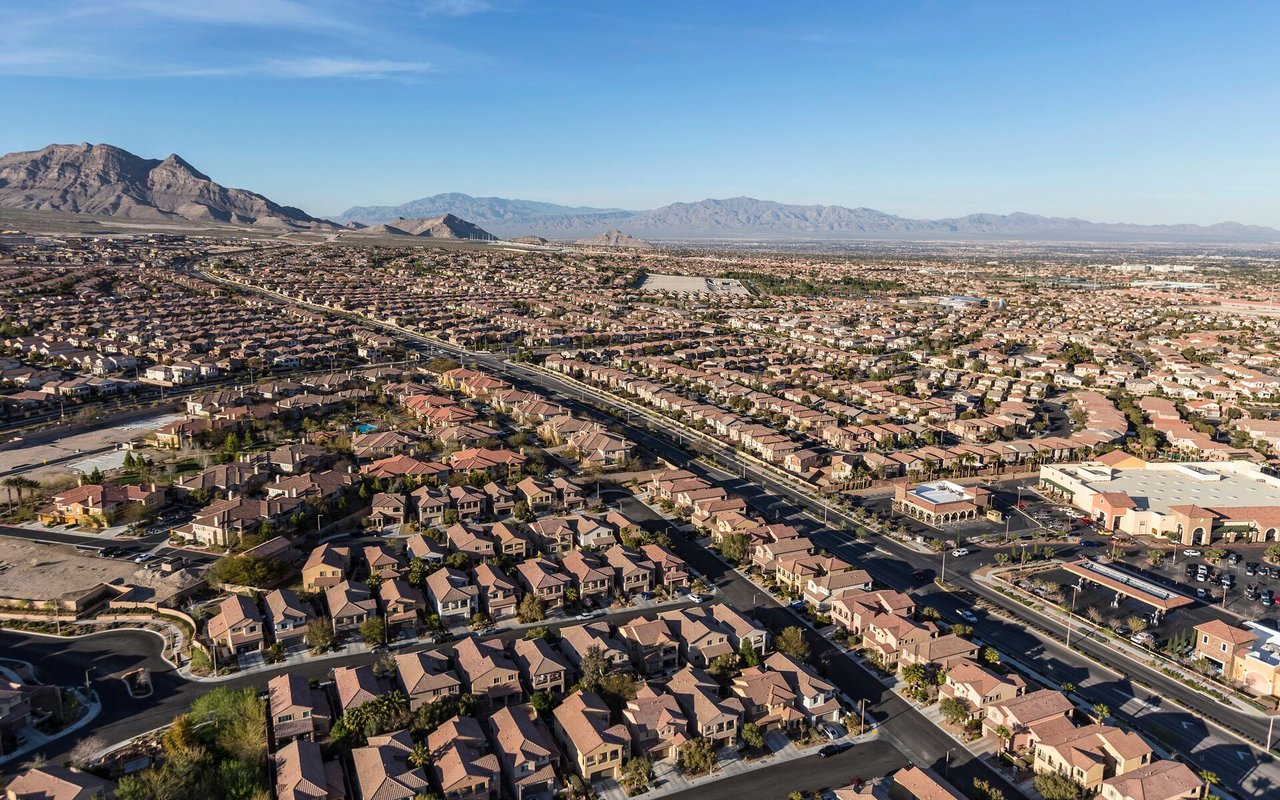
Real estate markets vary significantly from city to city, and even between neighborhoods. Understanding the current state of the Las Vegas housing market will help you craft a smarter offer. Is it a seller’s market where homes receive multiple offers within days? Are prices trending upward or stabilizing? How long do comparable homes typically stay on the market?
Researching recent sales data and studying trends with a knowledgeable agent ensures your offer is both competitive and realistic. If the market is hot, you may need to act quickly and offer at or above the asking price. In a slower market, you may have more negotiating power. Either way, knowledge is one of your strongest assets.
Researching recent sales data and studying trends with a knowledgeable agent ensures your offer is both competitive and realistic. If the market is hot, you may need to act quickly and offer at or above the asking price. In a slower market, you may have more negotiating power. Either way, knowledge is one of your strongest assets.
Prioritize your needs and wants
Before you even tour your first home, it is important to outline your must-haves, nice-to-haves, and deal breakers. This clarity helps you avoid making impulsive decisions when emotions run high. Consider elements such as commute time, school districts, layout preferences, number of bedrooms, outdoor space, energy efficiency, and nearby amenities.
Having a clear list ensures you stay focused on what truly matters long-term. It also helps you act decisively when the right home becomes available. If a property meets most of your top priorities, you will feel more confident moving forward with an offer.
Having a clear list ensures you stay focused on what truly matters long-term. It also helps you act decisively when the right home becomes available. If a property meets most of your top priorities, you will feel more confident moving forward with an offer.
Review comparable sales before deciding on an offer price
A key part of determining your offer is reviewing comparable sales, often referred to as comps. These are recently sold homes that share similar features such as size, location, and condition. Comps provide an objective benchmark to help you avoid overpaying while still remaining competitive.
Your real estate agent will evaluate these comps for you, assess market trends, and help you determine a fair offer price. This analysis also informs your negotiation strategy, especially if the home has been listed for a while, shows signs of needed repairs, or has unique features that affect value.
Your real estate agent will evaluate these comps for you, assess market trends, and help you determine a fair offer price. This analysis also informs your negotiation strategy, especially if the home has been listed for a while, shows signs of needed repairs, or has unique features that affect value.
Understand contingencies and how they protect you
Contingencies are clauses in your offer that allow you to back out under certain conditions without losing your earnest money. For first-time buyers, several common contingencies are important to understand.
-
Financing contingency. Protects you if your loan does not get final approval.
-
Inspection contingency. Allows you to renegotiate or walk away if significant issues are discovered.
-
Appraisal contingency. Ensures the lender confirms the home’s value matches the price you are paying.
While contingencies safeguard your interests, too many of them in a competitive market can weaken your offer. A skilled agent can help you determine which protections are essential and which may be adjusted to strengthen your position.
Prepare for negotiation
Even if the home seems perfect, the negotiation process is a standard part of buying. Sellers may counter your offer with a higher price, different terms, or adjusted timelines. As a first-time buyer, it is important not to take negotiations personally. This is simply a business transaction, and your agent will guide you through each step.
Ask yourself in advance how flexible you can be with price, closing dates, repairs, or credits. Knowing your boundaries helps you negotiate with confidence and ensures you do not agree to terms that exceed your comfort zone. In some cases, non-price factors such as offering a faster closing or a rent-back period may make your offer more appealing without increasing your financial burden.
Ask yourself in advance how flexible you can be with price, closing dates, repairs, or credits. Knowing your boundaries helps you negotiate with confidence and ensures you do not agree to terms that exceed your comfort zone. In some cases, non-price factors such as offering a faster closing or a rent-back period may make your offer more appealing without increasing your financial burden.
Schedule a home inspection and understand the findings
A home inspection is one of the most valuable steps in the buying process, especially for first-time purchasers who may not know what to look for. The inspector will evaluate the home’s condition, including major systems like electrical, HVAC, plumbing, and roofing. They will also assess structural integrity and identify potential safety concerns.
After receiving the inspection report, review it carefully with your agent. Some issues are minor and common in older homes, while others may require negotiation or further evaluation. An inspection helps you move forward with eyes wide open and can prevent costly surprises after closing.
After receiving the inspection report, review it carefully with your agent. Some issues are minor and common in older homes, while others may require negotiation or further evaluation. An inspection helps you move forward with eyes wide open and can prevent costly surprises after closing.
Keep your emotions in check
Falling in love with a home is natural, but emotional decision-making can lead to offering more than you can comfortably afford or overlooking red flags. Try to balance enthusiasm with practicality. It is possible to be excited about a property while still making a cautious, well-informed offer.
If you lose out on a home, remember that new opportunities arise constantly. Staying patient and level-headed will ultimately help you find the right property without unnecessary stress.
If you lose out on a home, remember that new opportunities arise constantly. Staying patient and level-headed will ultimately help you find the right property without unnecessary stress.
Work with an experienced local agent
First-time buyers benefit tremendously from professional guidance. A knowledgeable Las Vegas real estate expert understands the nuances of the local market, knows how to interpret data, and can anticipate challenges before they arise. Your agent will help you prepare competitive offers, align with current market expectations, and navigate the entire process with confidence.
More importantly, the right agent advocates for your best interests and ensures you never feel overwhelmed or unprepared.
More importantly, the right agent advocates for your best interests and ensures you never feel overwhelmed or unprepared.
Ready to buy your first home in Las Vegas?
If you are beginning your homebuying journey, you don’t have to navigate it alone. Partnering with a trusted real estate team ensures you receive expert guidance, local insights, and unwavering support from start to finish.
For personalized help and experienced representation, connect with The Lisa Quam Group, Las Vegas real estate experts. Connect with the team today to start your search with a team that understands the market and puts your goals first.
For personalized help and experienced representation, connect with The Lisa Quam Group, Las Vegas real estate experts. Connect with the team today to start your search with a team that understands the market and puts your goals first.