Clean, fresh air inside your home isn’t just a luxury—it’s essential for your health, comfort, and overall well-being. Poor indoor air quality can contribute to allergies, respiratory issues, and fatigue, often caused by unnoticed pollutants.
Whether you live in the heart of Las Vegas or the surrounding desert communities, where dust and dry air are common, maintaining excellent air quality is vital. Here’s how you can make your home a healthier space to breathe freely every day.
Identify Common Indoor Pollutants
Before improving your home’s air, it’s helpful to know what you’re dealing with. Common sources of indoor air pollution include:
- Dust and pet dander: These tiny particles accumulate in carpets, upholstery, and air vents.
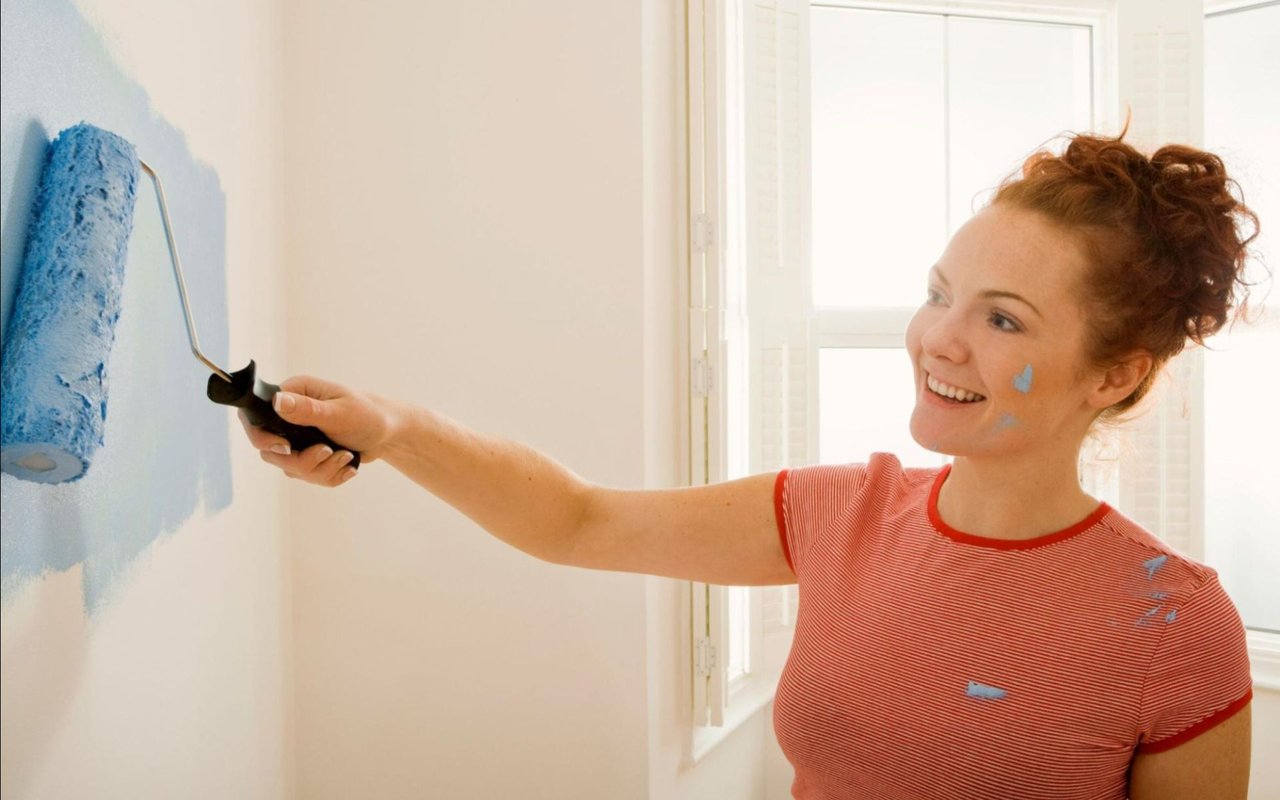
- Volatile organic compounds (VOCs): Found in paints, cleaning supplies, and some furniture, VOCs can release gases that irritate lungs and skin.
- Mold and mildew: Often hidden in damp areas like bathrooms or basements, mold spores can circulate through your HVAC system.
- Smoke and cooking fumes: Tobacco smoke, candles, and cooking can all add fine particles to the air.
- Outdoor pollutants: Dust, pollen, and vehicle emissions can enter through open windows or poorly sealed doors.
Understanding the sources of pollution is the first step in reducing them effectively.
Keep Your Home Clean and Dust-Free
Regular cleaning is one of the most effective ways to improve air quality. A HEPA-filter vacuum captures small particles from carpets, rugs, and upholstery. Dust with a damp microfiber cloth to prevent particles from spreading into the air. Wash bedding weekly in hot water, especially if you have pets or allergies.
Don’t forget often-overlooked areas like ceiling fans, blinds, and baseboards. These spots collect dust that circulates each time your air conditioner or heater turns on.
Control Humidity Levels
Las Vegas’ dry climate can make humidity seem like the least of your worries, but even here, managing moisture matters. Overly dry air can irritate your throat and skin, while excessive humidity can encourage mold growth.
Maintain a humidity level between 30% and 50%. Use a humidifier during dry months to prevent the air from becoming too arid. Conversely, in damp areas like bathrooms or kitchens, run an exhaust fan or use a dehumidifier to keep moisture under control.
Improve Ventilation
Fresh air circulation is key to preventing pollutants from building up. Open windows whenever the weather permits, especially when cooking or cleaning. If outdoor air quality is poor—such as during dust storms or high-pollen days—use your home’s HVAC system with clean filters instead of bringing in outside air.
Installing trickle vents or energy recovery ventilators (ERVs) can also help exchange stale indoor air for fresh outdoor air while maintaining energy efficiency.
Use Air Purifiers Strategically
Air purifiers are an excellent addition to homes, especially in areas with higher pollution levels or for people with allergies. Choose a purifier with a true HEPA filter, which captures 99.97% of airborne particles as small as 0.3 microns.
Place purifiers in rooms where you spend the most time—bedrooms, living rooms, and home offices. For maximum effect, make sure the unit’s capacity matches the size of your space.
Choose Natural Cleaning Products
Many household cleaners contain harsh chemicals that release VOCs, contributing to poor indoor air. Opt for natural or plant-based products that are labeled non-toxic. You can even make simple DIY cleaners using vinegar, baking soda, and lemon juice.
When using chemical-based cleaners, open windows or turn on fans for better airflow. Proper ventilation prevents harmful fumes from lingering.
Add Indoor Plants for a Natural Boost
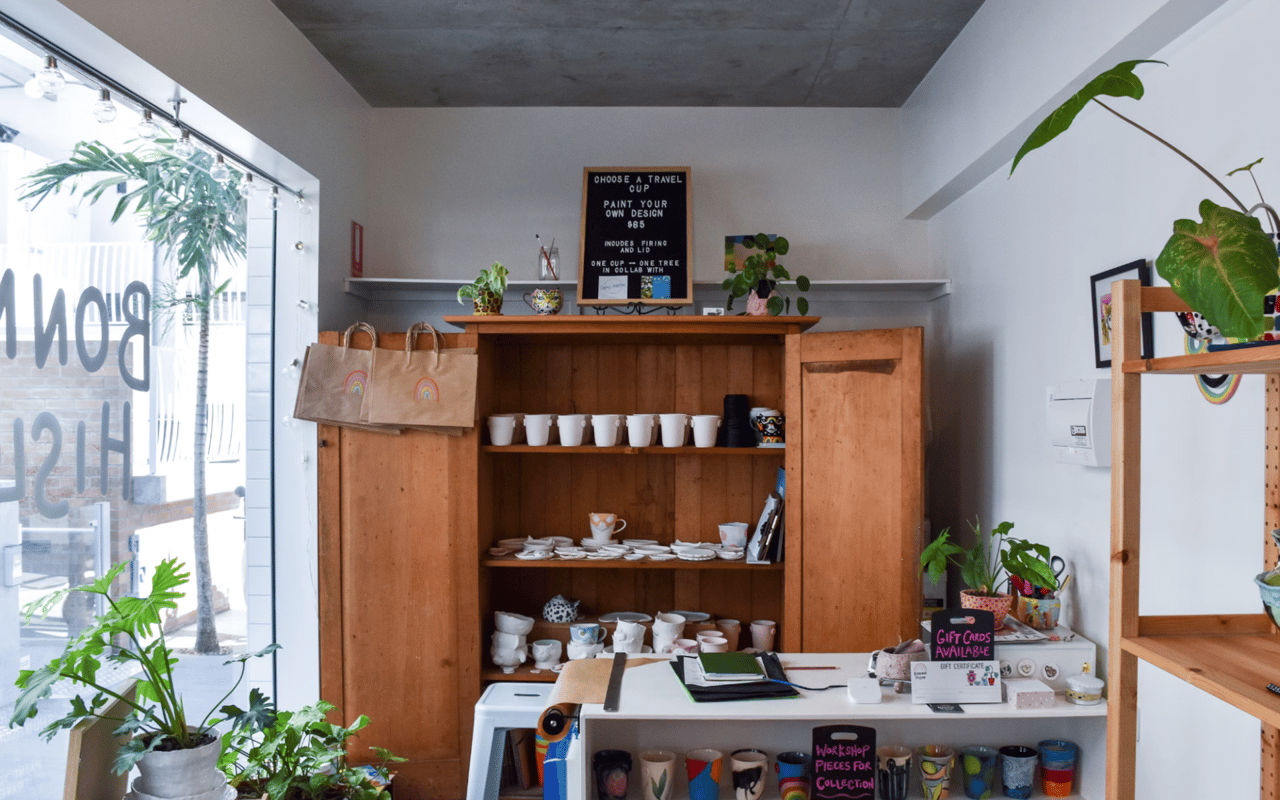
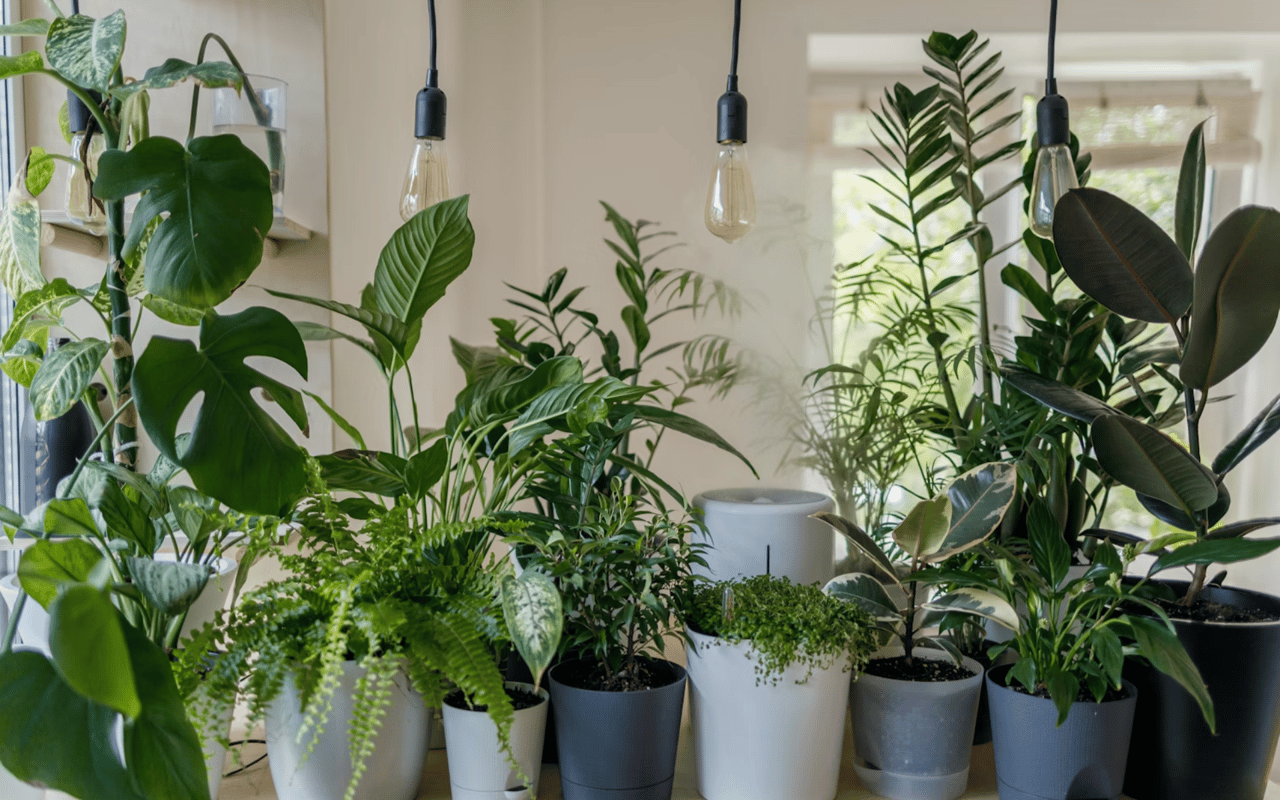
Houseplants do more than beautify your space—they can also help purify the air. Plants like peace lilies, spider plants, snake plants, and pothos absorb toxins such as formaldehyde and benzene while releasing oxygen.
While they won’t replace an air purifier, indoor plants contribute to a fresher environment and provide a calming, natural touch to your home decor.
Maintain Your HVAC System
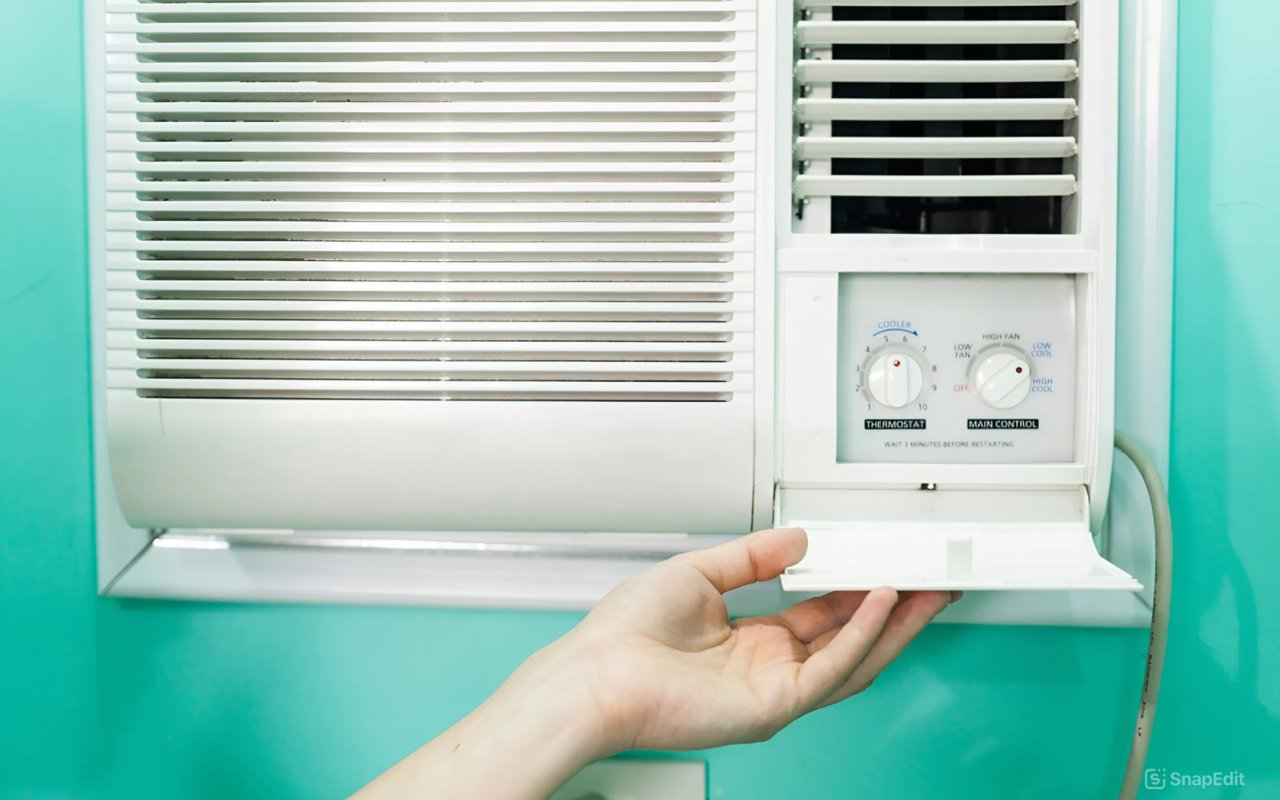
Your heating and cooling system plays a major role in indoor air quality. Change filters every one to three months depending on usage and whether you have pets or allergies. Consider upgrading to high-efficiency filters with a higher MERV rating for better particle capture.
Schedule annual maintenance for your HVAC system to ensure ducts and coils are clean and working efficiently. A well-maintained system not only keeps your air clean but also saves on energy costs.
Eliminate Smoke and Strong Odors
Smoking indoors is one of the biggest contributors to poor air quality. Encourage smoking outside to prevent lingering toxins and odors. If you enjoy candles or incense, choose soy or beeswax candles with cotton wicks instead of synthetic ones that release soot.
Cooking can also introduce pollutants, especially when frying or using gas stoves. Always use your kitchen range hood or exhaust fan to vent fumes outdoors.
Test for Radon and Carbon Monoxide
Two invisible threats to indoor air quality are radon and carbon monoxide (CO). Radon is a naturally occurring gas that can enter through the foundation, while carbon monoxide comes from malfunctioning gas appliances.
Use home testing kits for both. Radon kits are easy to find online or at hardware stores, and carbon monoxide detectors should be installed near sleeping areas and fuel-burning appliances.
Incorporate Natural Air Fresheners
Artificial air fresheners may mask odors but often introduce more VOCs. Instead, choose natural alternatives:
- Simmer citrus peels or cinnamon sticks on the stove for a light fragrance.
- Use essential oil diffusers with oils like lavender or eucalyptus.
- Keep activated charcoal bags or baking soda in closets and bathrooms to absorb unwanted smells.
These natural options freshen your home without adding chemicals to the air.
Make Smart Home Design Choices
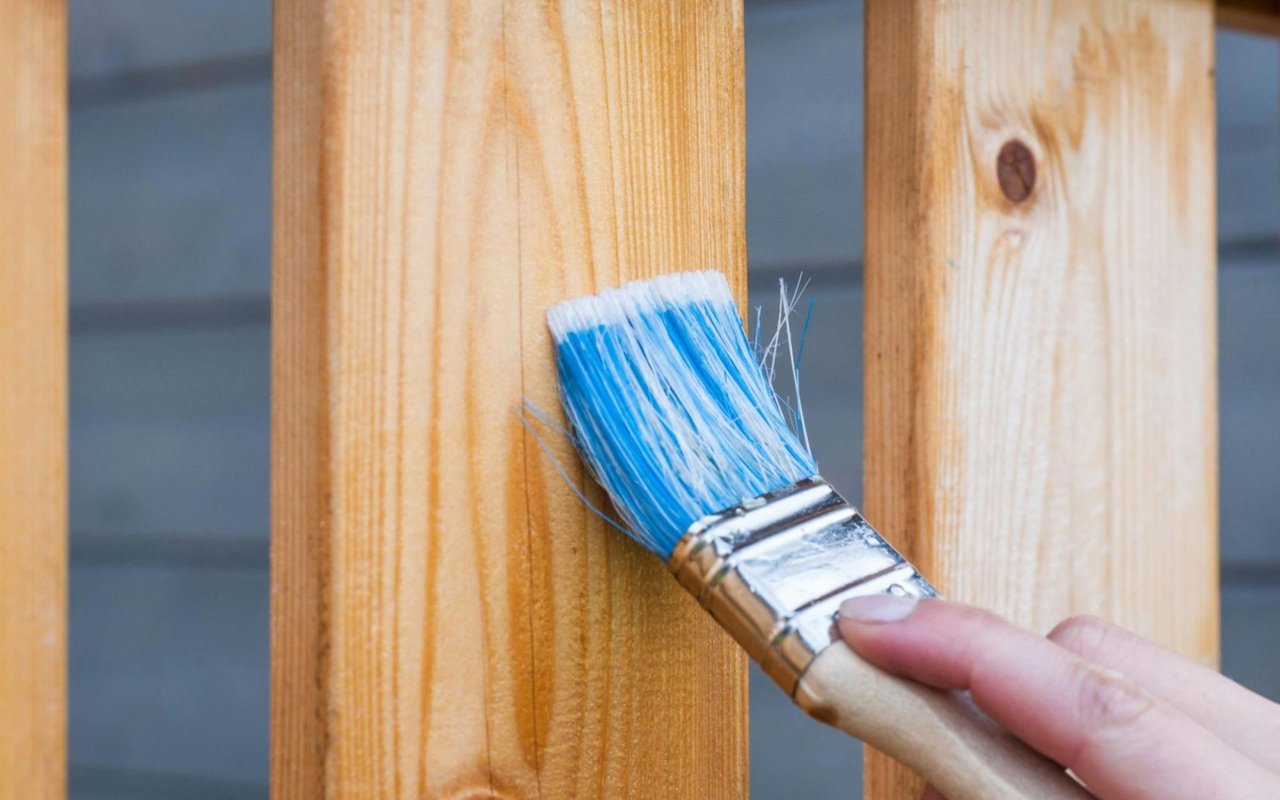
When remodeling or redecorating, consider materials that promote better air quality. Choose low-VOC paints, wood furniture with natural finishes, and flooring options like tile or hardwood instead of wall-to-wall carpeting that traps dust and allergens.
Also, opt for window treatments that can be easily cleaned and avoid synthetic fabrics that off-gas over time.
Breathe Easier in Your Las Vegas Home
Improving your home’s air quality doesn’t require major renovations—just mindful habits and a few strategic upgrades. By keeping things clean, maintaining ventilation, and using natural solutions, you can create a healthier environment for you and your family.
If you’re searching for a home in Las Vegas with features that support clean, fresh living—like modern HVAC systems, energy-efficient windows, and great natural light—Lisa Quam can help you find the perfect match. Her expertise in Las Vegas real estate and dedication to client satisfaction make her the ideal partner for finding a home that truly feels like a breath of fresh air.
Visit finestofvegas.com to connect with Lisa Quam today and start your journey toward a healthier, more comfortable home in beautiful Las Vegas.