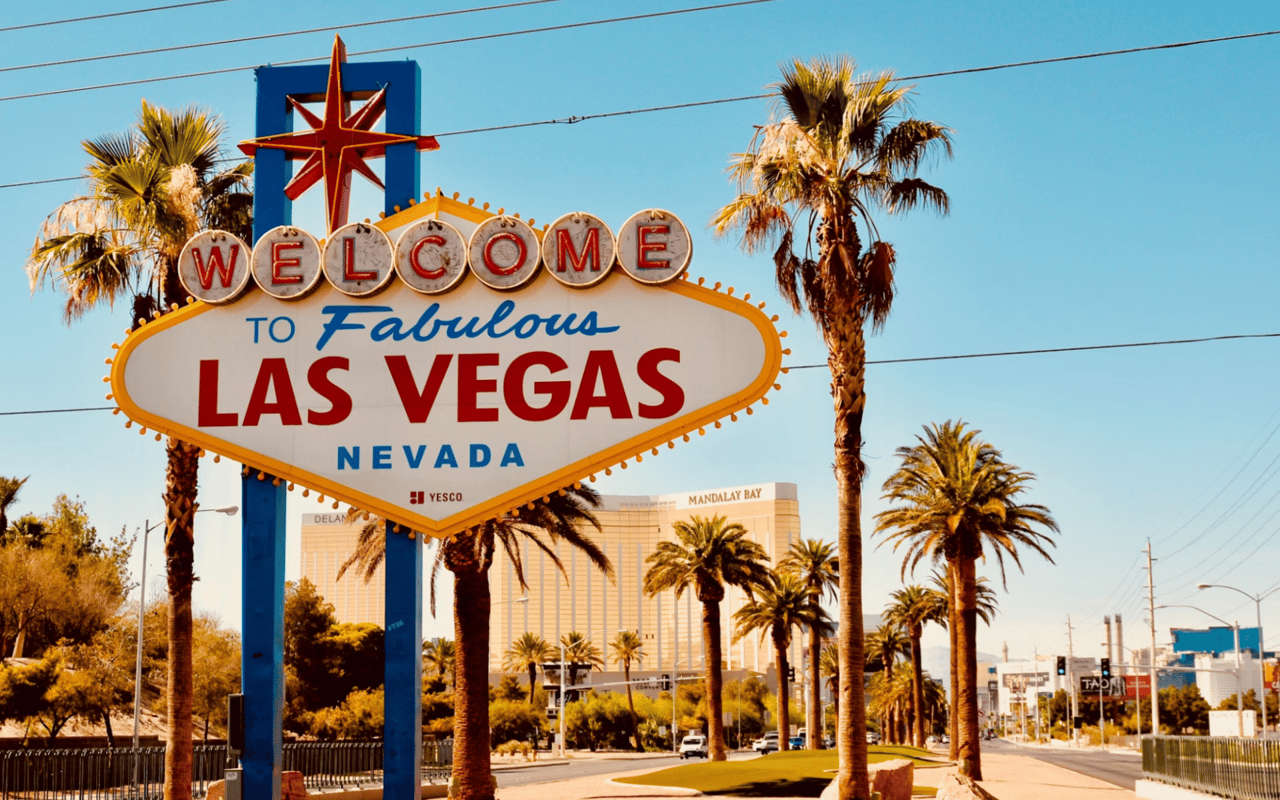
Las Vegas is a city defined by evolution. From its glitzy Strip to its ever-expanding suburbs, every corner tells a story of growth and reinvention. When it comes to real estate, that same evolution plays a major role in how homes are valued. Whether you’re looking to buy, sell, or invest, understanding how the age of a home affects its market value can help you make smarter, more profitable decisions in the Las Vegas housing market.
The Allure of New Construction in Las Vegas
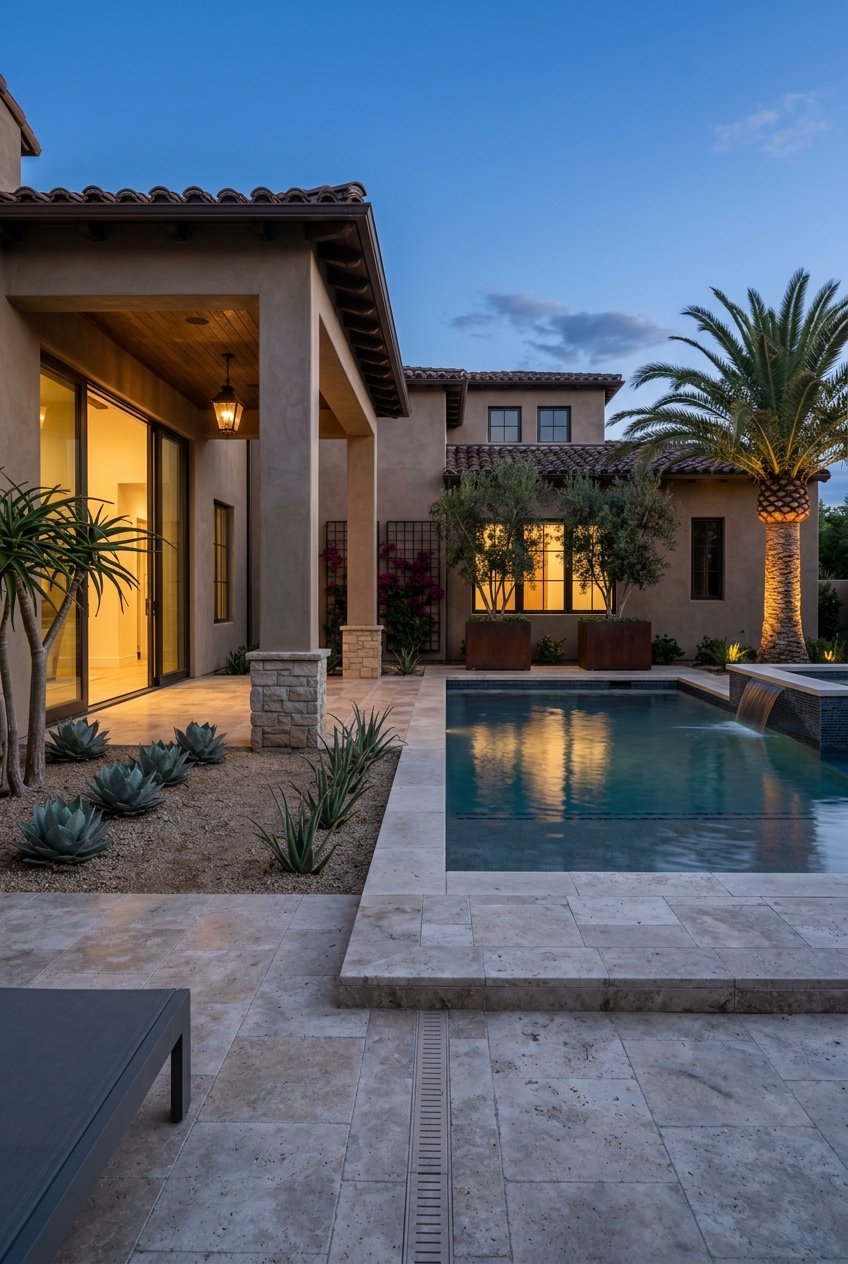
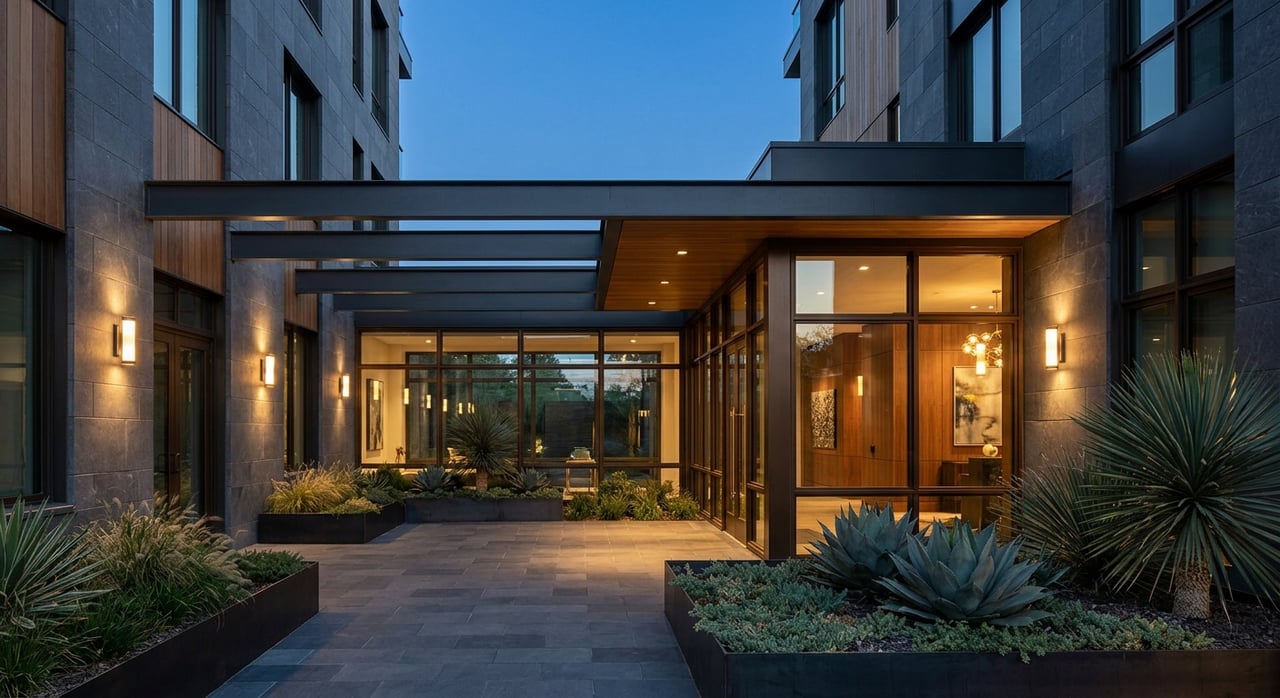
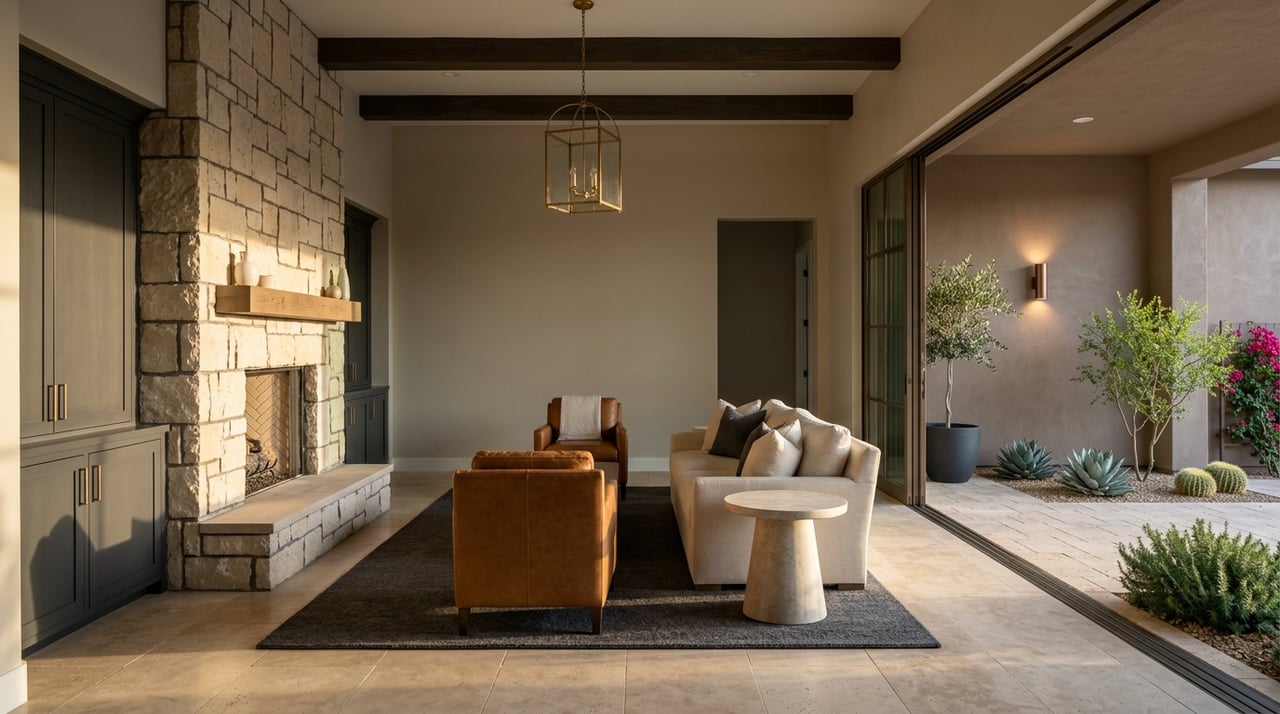
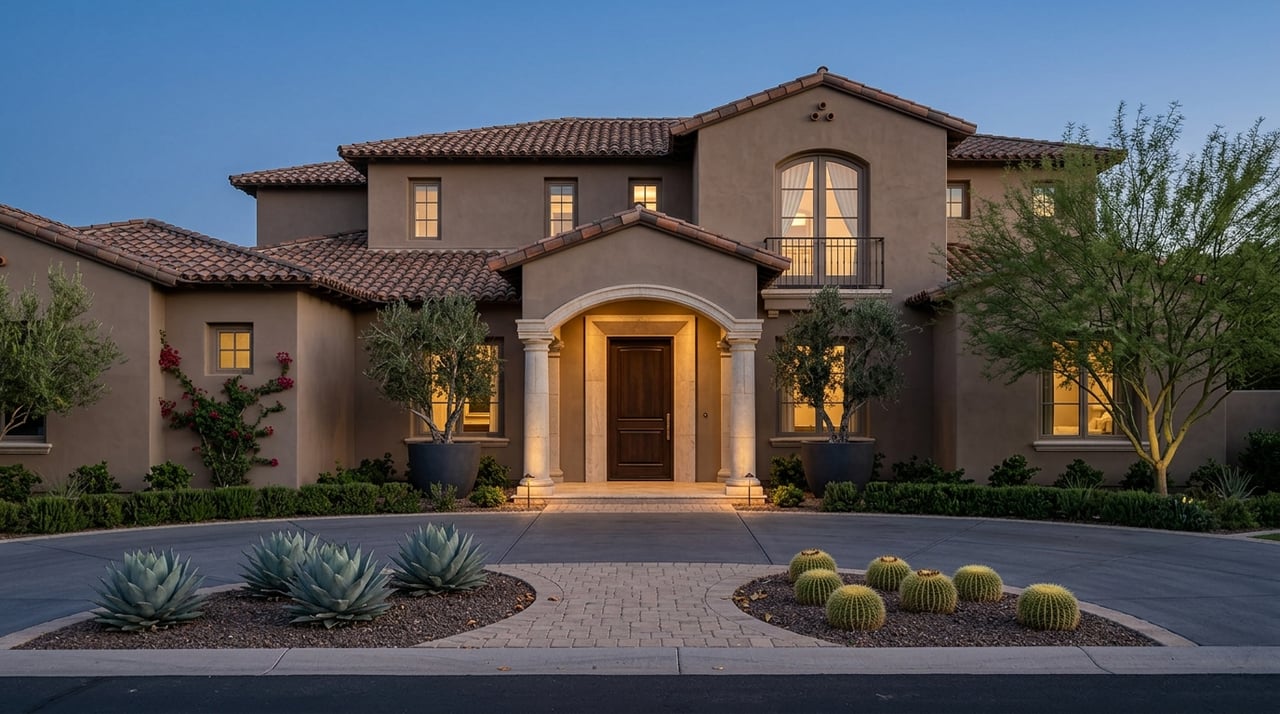
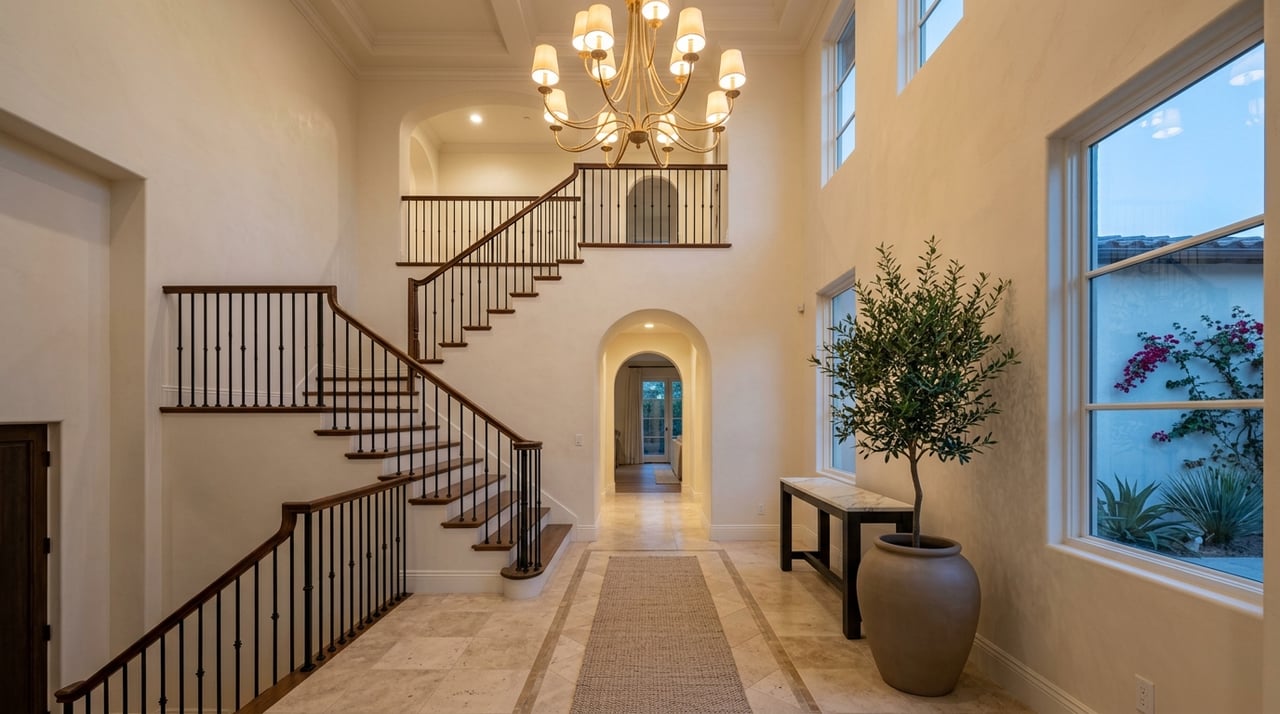
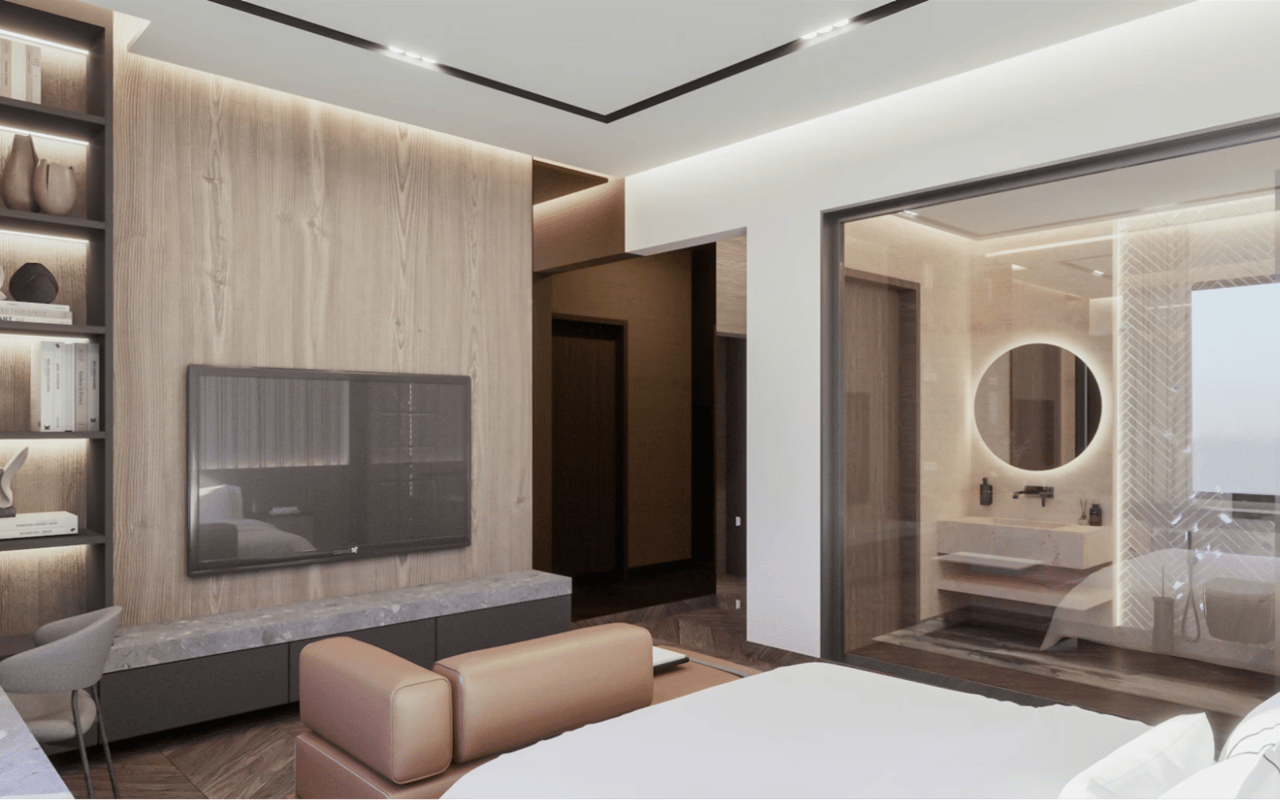
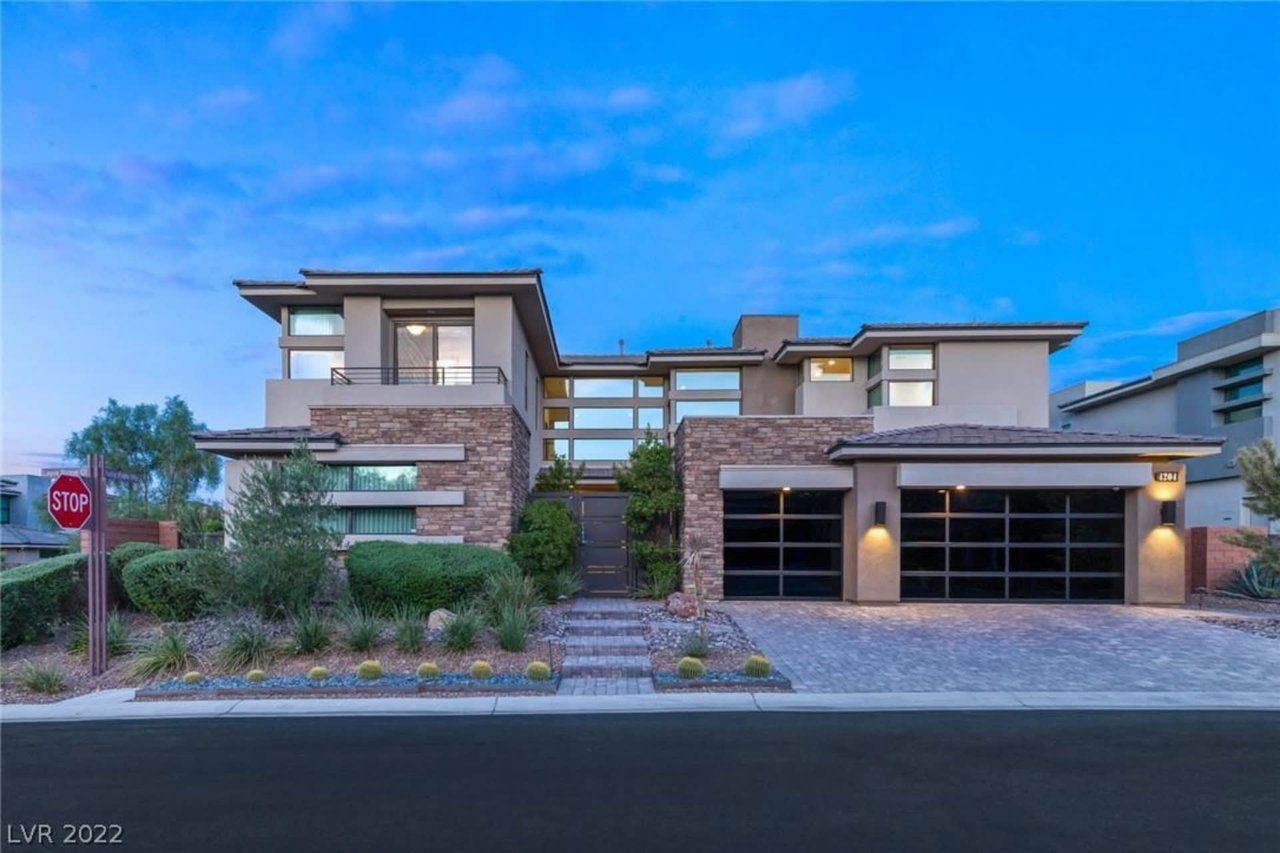
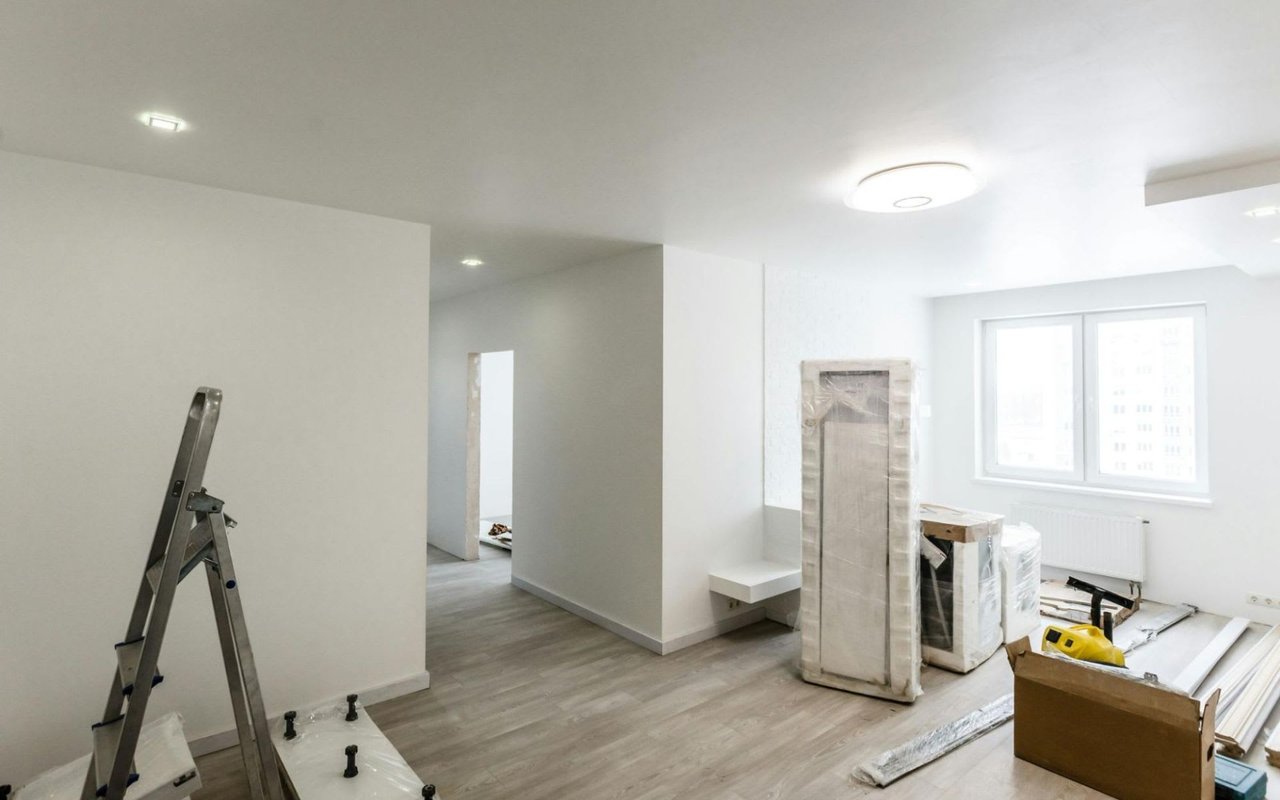
Las Vegas continues to see a surge in new developments—especially in master-planned communities like Summerlin, Henderson, and Skye Canyon. Newer homes often attract buyers seeking a modern, low-maintenance lifestyle. The biggest advantages include:
- Modern design and amenities: New homes feature contemporary layouts, open-concept living, smart home technology, and energy-efficient systems.
- Lower maintenance costs: Everything from the roof to the HVAC system is brand new, minimizing immediate repair expenses.
- Builder warranties: These add a layer of security for buyers, ensuring that major issues are covered in the early years of ownership.
In Las Vegas, where the climate can be harsh on homes—especially older ones exposed to years of desert heat—these benefits translate into tangible value. Buyers are often willing to pay a premium for newer homes that require less upkeep and align with today’s lifestyle trends.
The Charm and Value of Older Homes
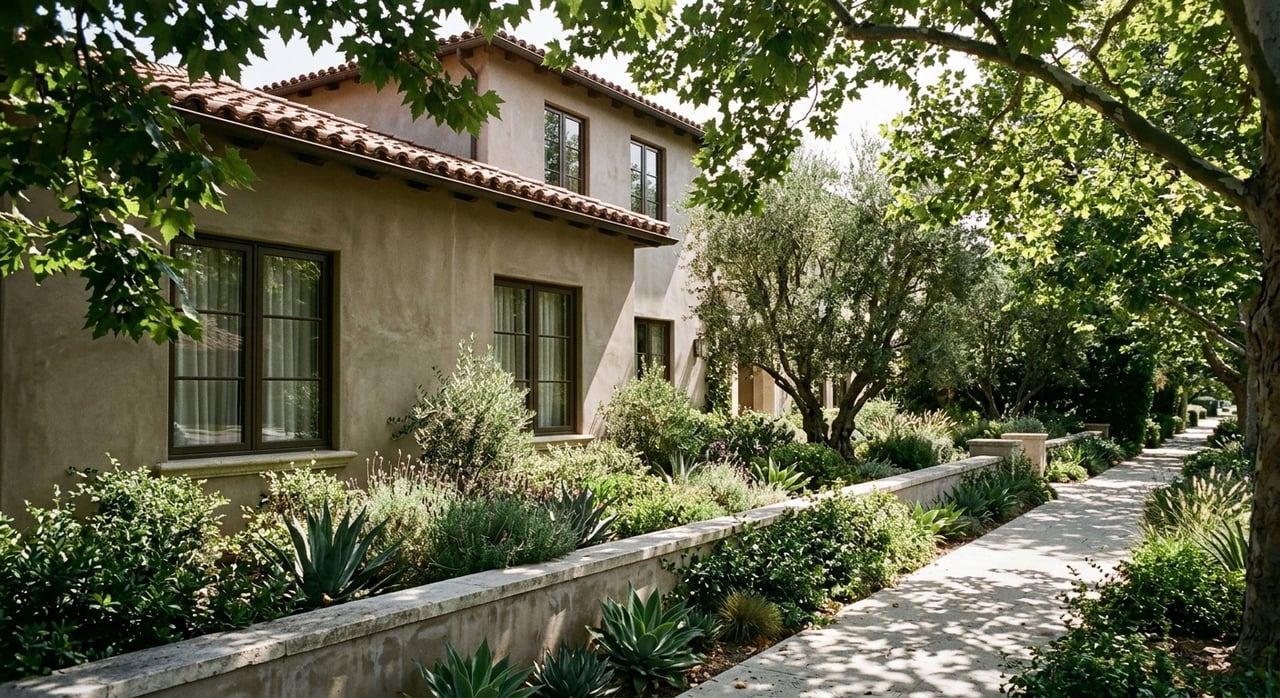
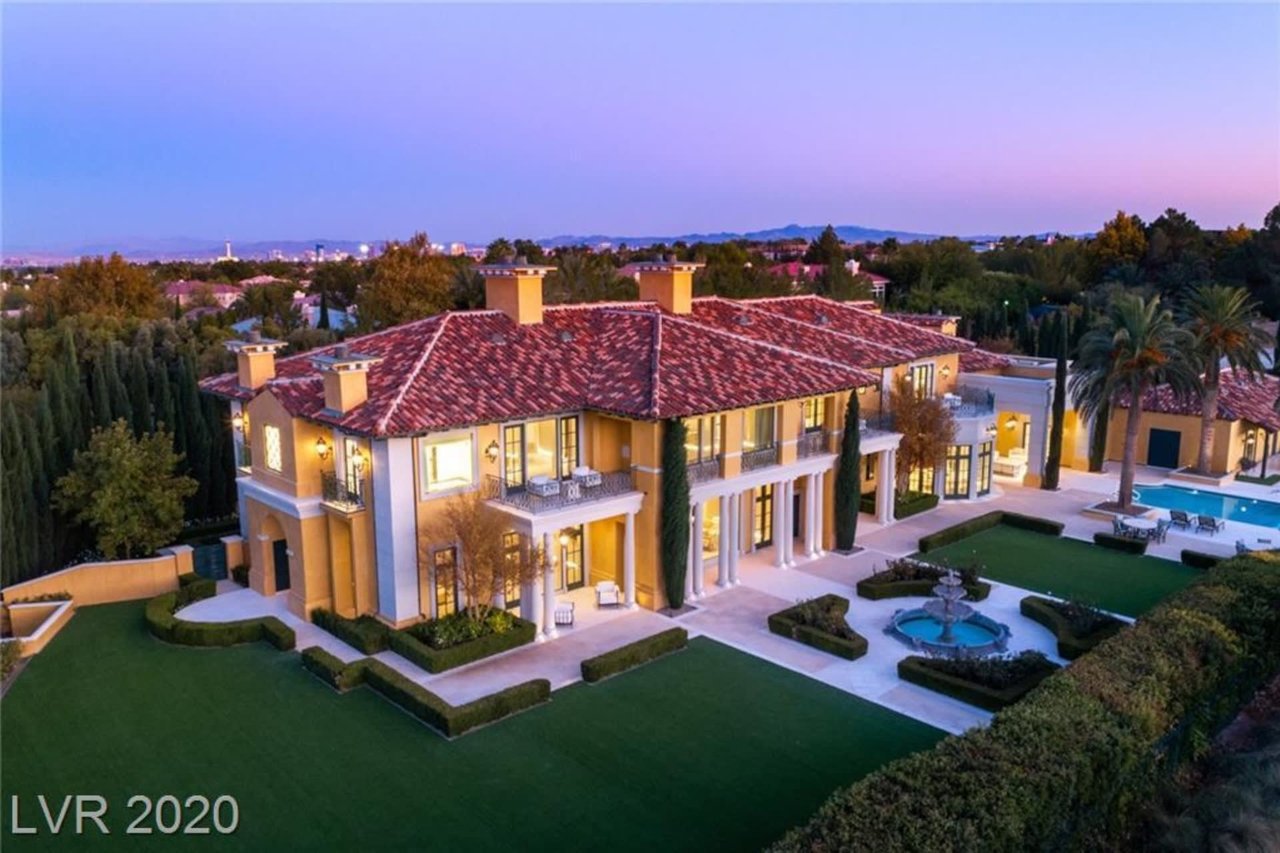
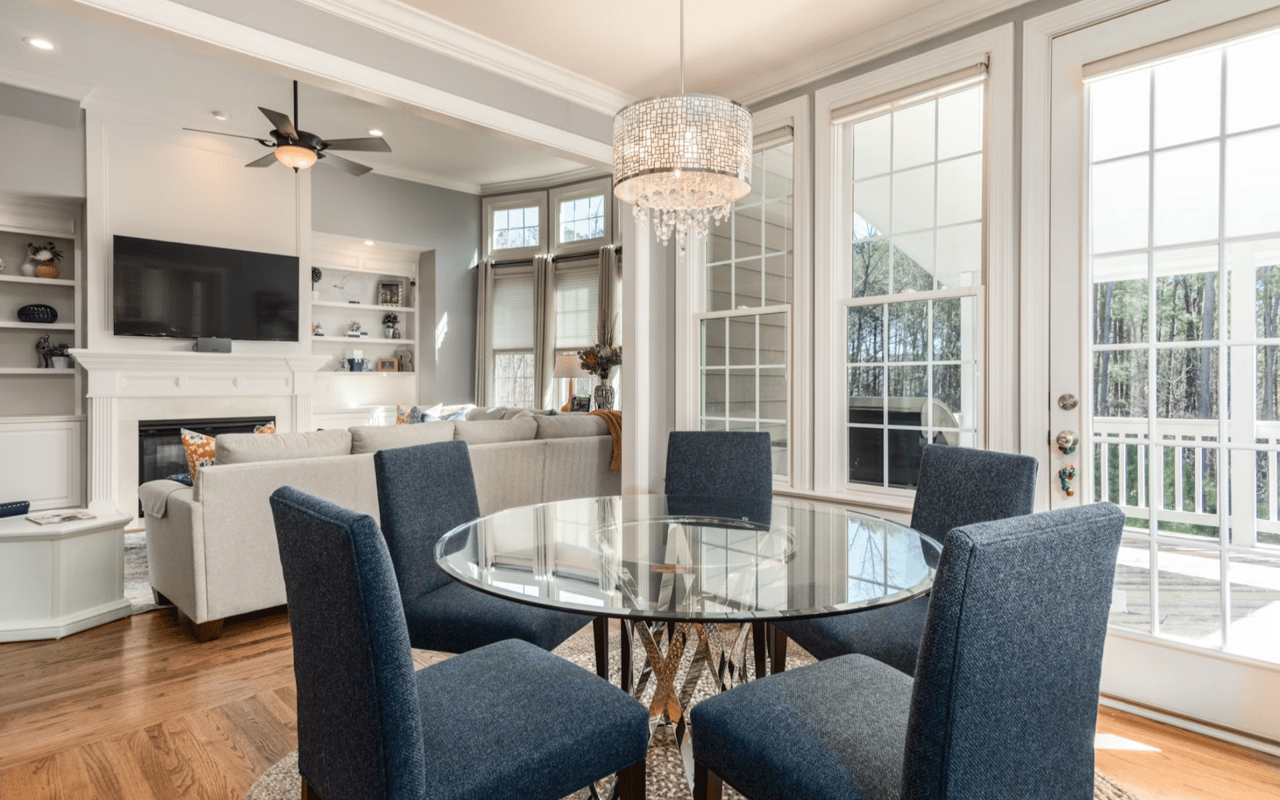
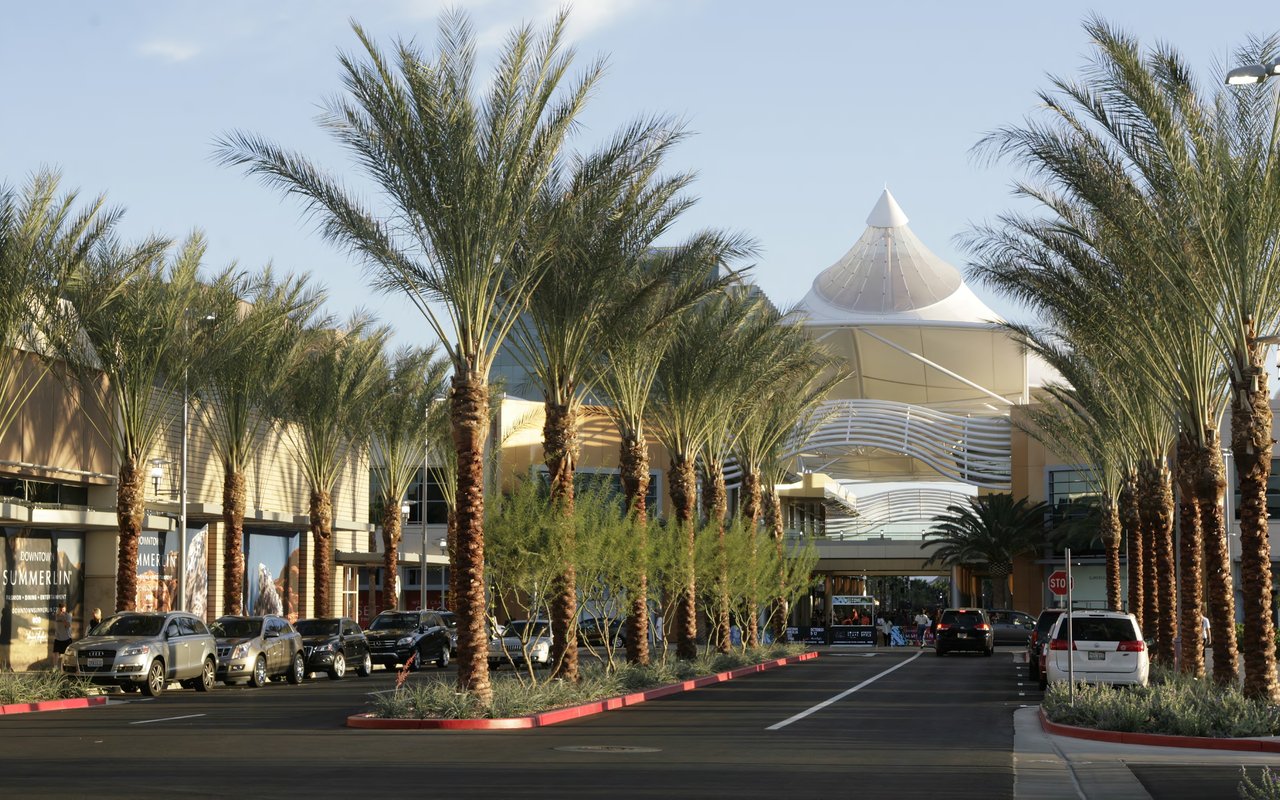
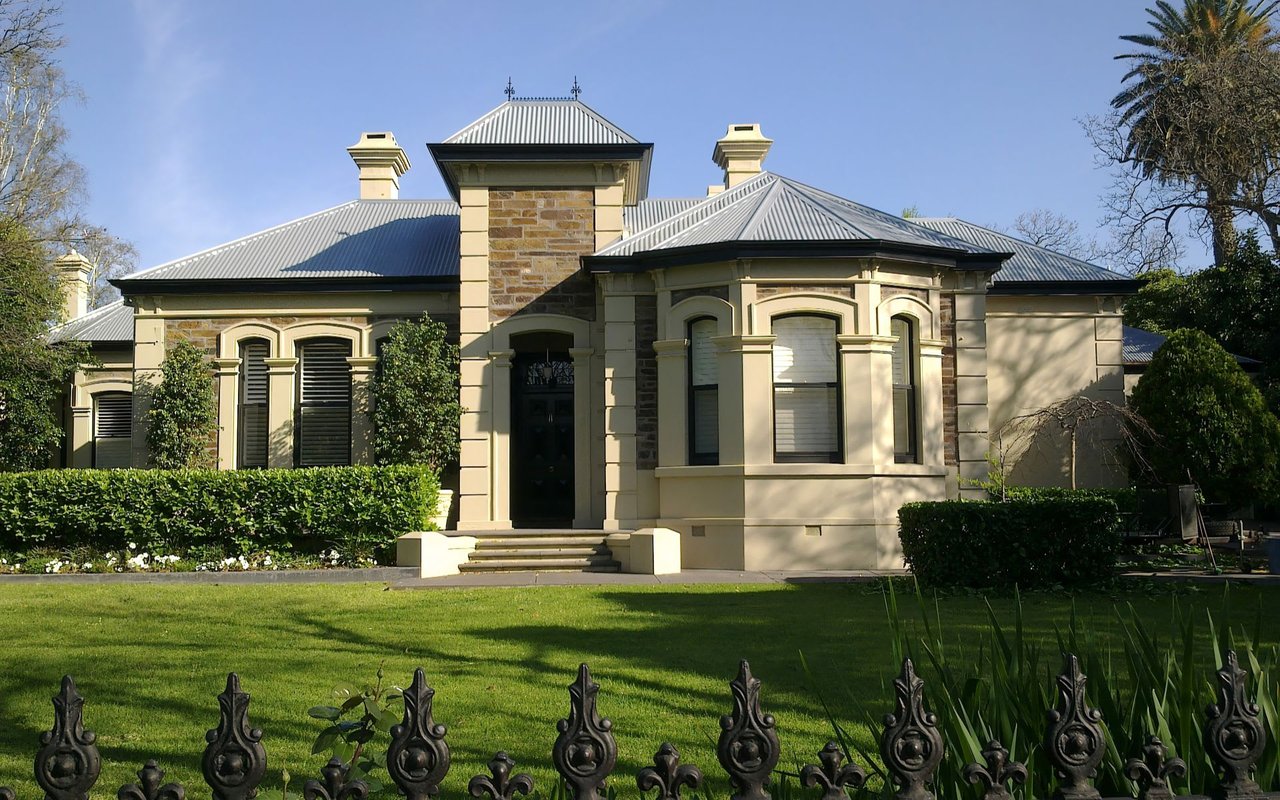
While new construction has undeniable appeal, older homes in Las Vegas still hold significant market value—particularly in established neighborhoods like The Lakes, Scotch 80s, or parts of Rancho Oakey. These communities offer larger lot sizes, mature landscaping, and proximity to central Las Vegas that new developments farther out may lack.
Older homes can be especially attractive to buyers who:
- Appreciate architectural character and custom craftsmanship rarely found in modern builds.
- Prefer mature neighborhoods with trees, established HOAs, and a sense of community.
- See renovation potential as a way to build equity quickly.
However, the key to value with older homes is condition. Properties that have been well-maintained—or thoughtfully updated—tend to hold or even increase their market value. On the other hand, homes showing signs of deferred maintenance can face steeper depreciation or reduced buyer interest.
How Home Age Affects Market Value in Las Vegas
The connection between a home’s age and its market value isn’t linear. Instead, it’s influenced by several overlapping factors:
- Condition Over Chronology: Two homes built in the same year can have vastly different values depending on how they’ve been cared for. In the desert climate, homes that have updated HVAC systems, new windows, and energy-efficient roofing can outperform newer homes that lack these features.
- Neighborhood Growth and Appeal: In Las Vegas, location can sometimes outweigh age. A 20-year-old home in Summerlin might still command a higher price per square foot than a five-year-old property in a less desirable area. As the city’s neighborhoods mature and amenities expand—like schools, parks, and shopping centers—home values tend to rise accordingly.
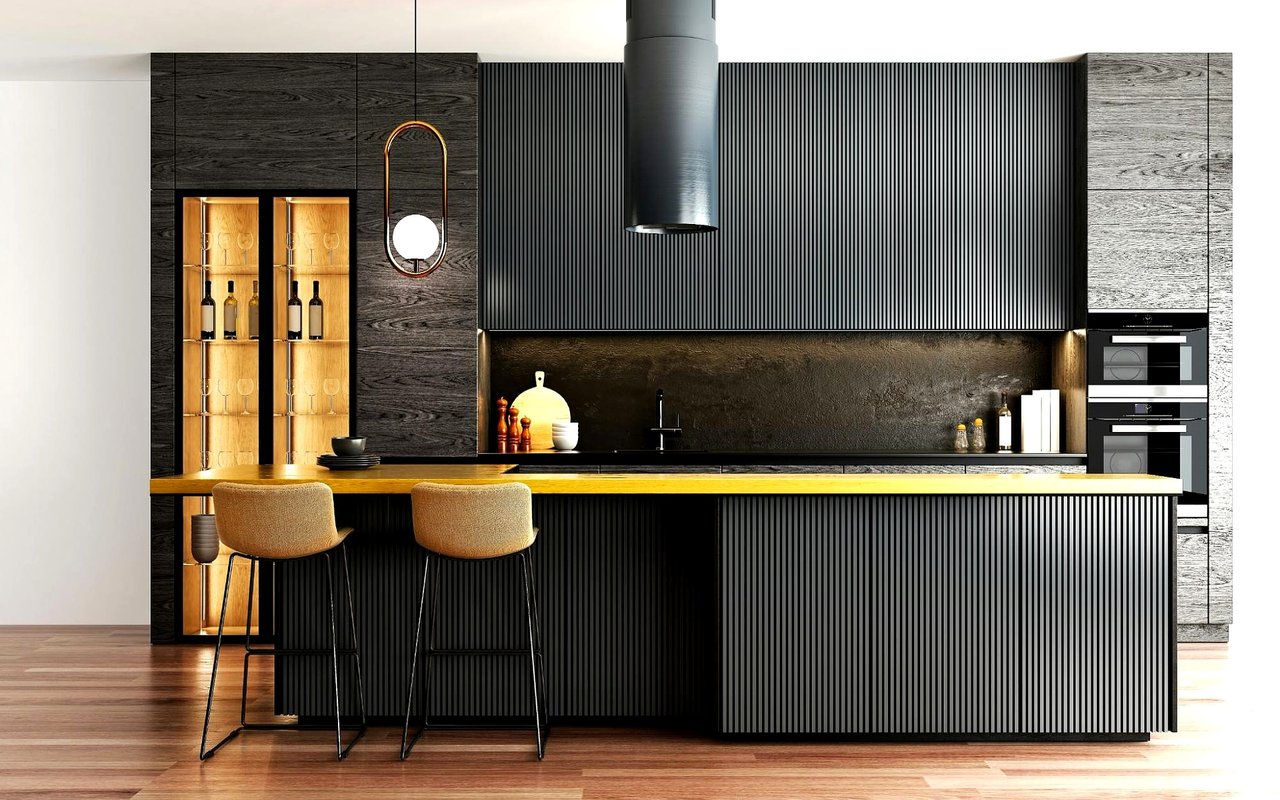
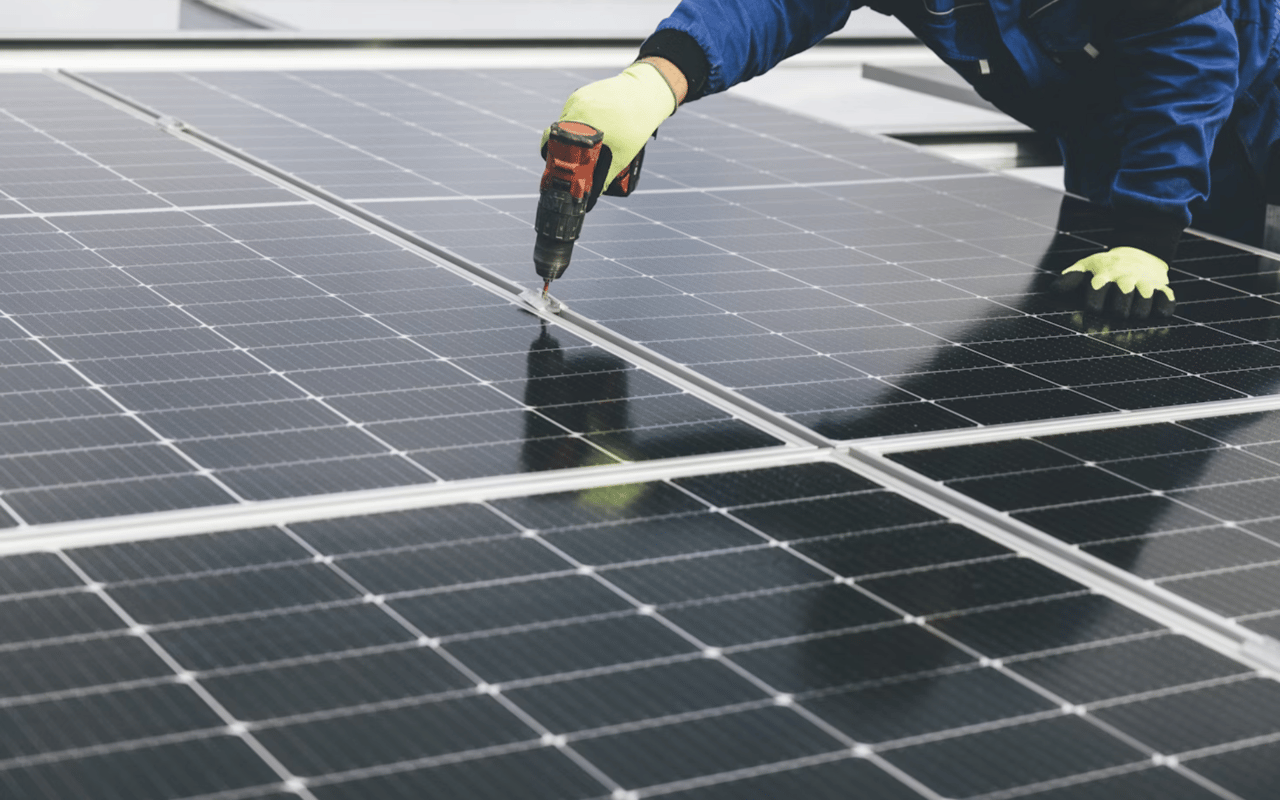
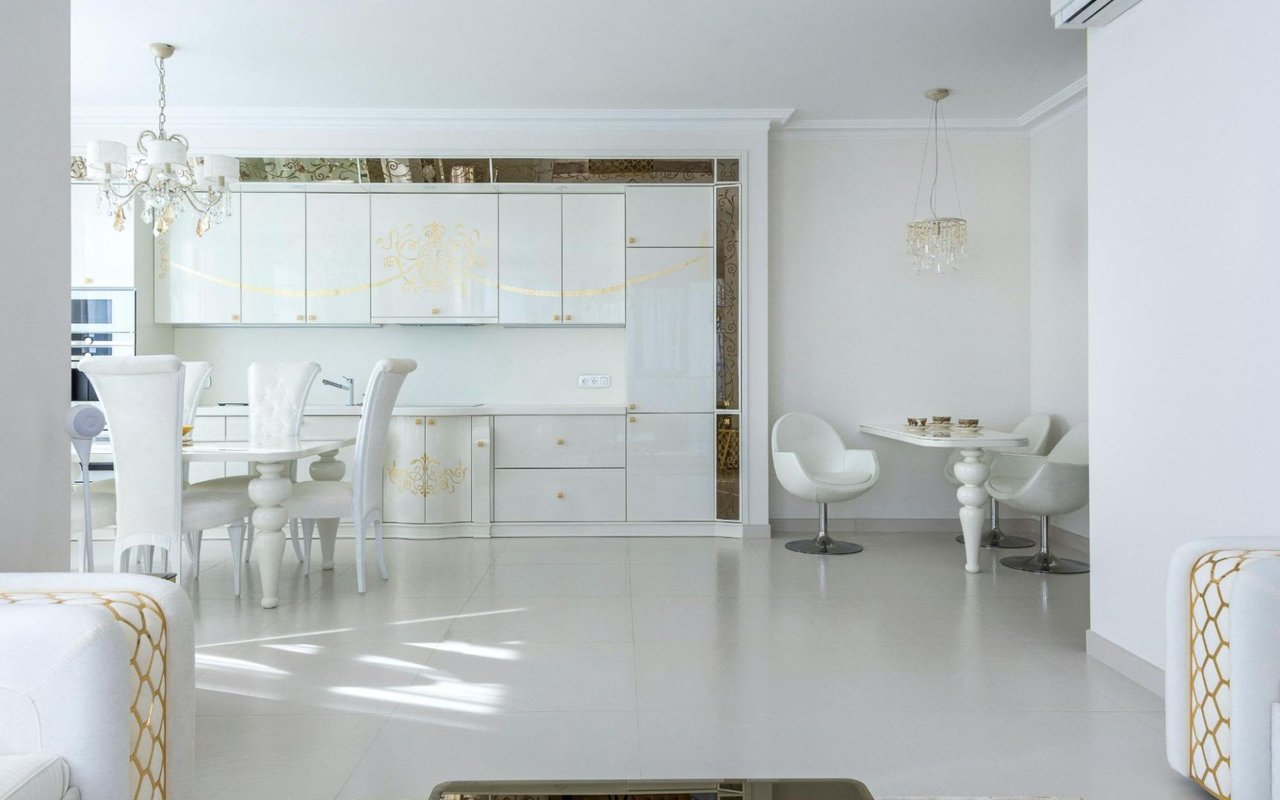
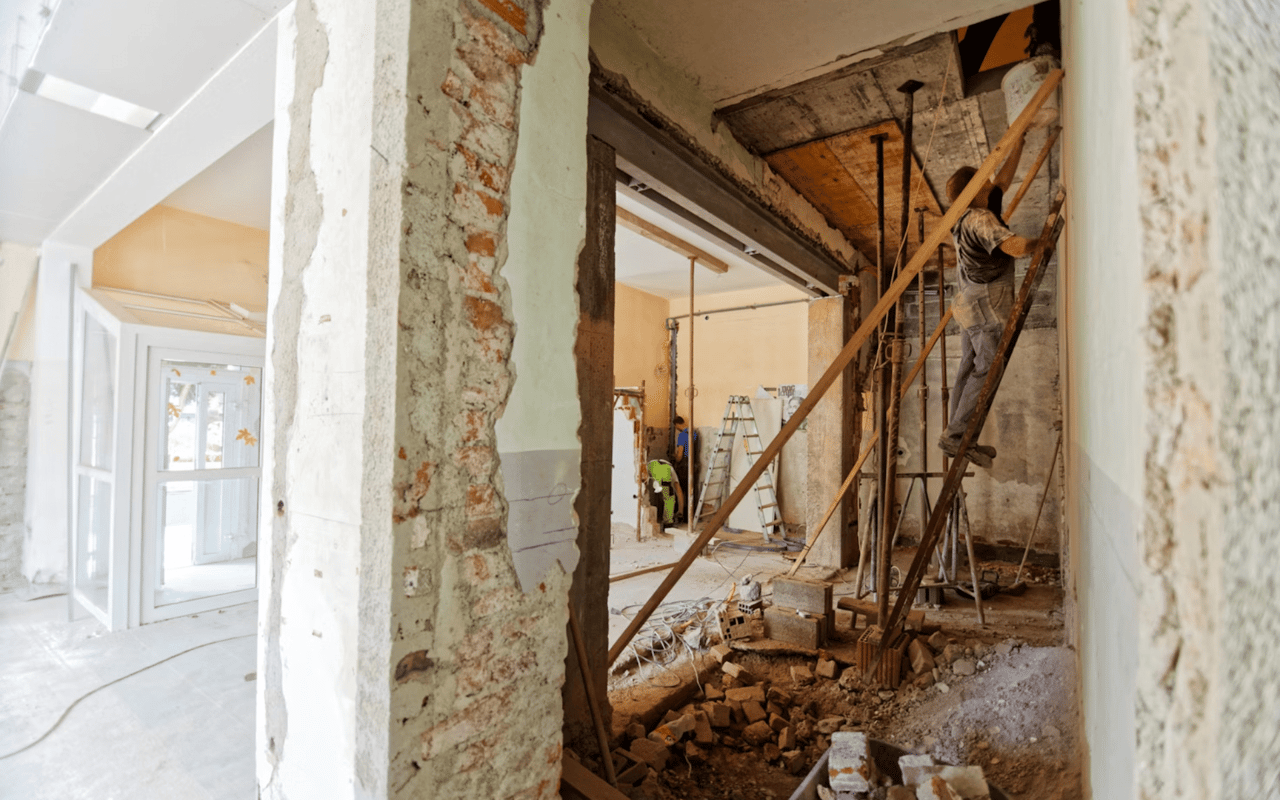
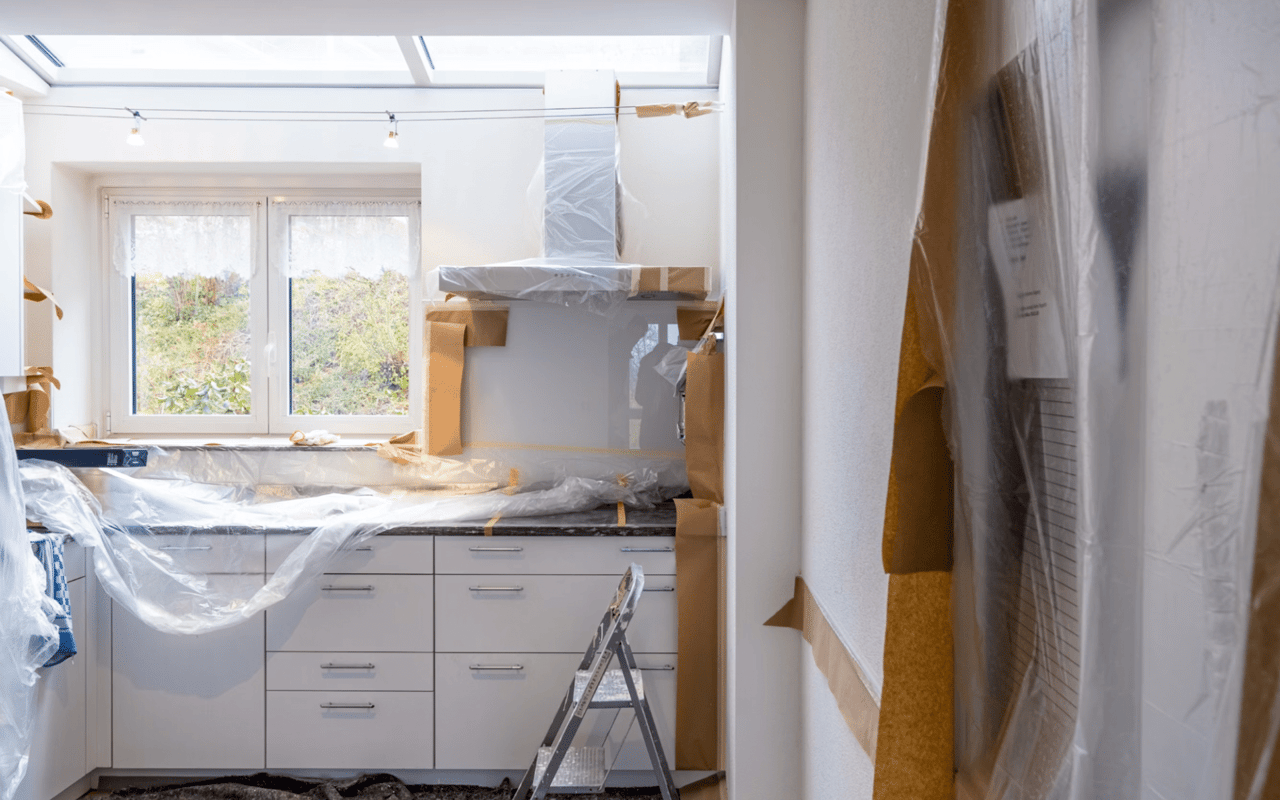
- Renovation and Modernization: Strategic upgrades can drastically shift a home’s perceived age. Kitchen and bathroom remodels, smart home features, and eco-friendly updates (like solar panels) can rejuvenate an older property’s market appeal. Many Las Vegas homeowners are successfully competing with new builds by investing in tasteful renovations that enhance functionality and design.
- Market Demand and Buyer Demographics: Younger buyers—especially millennials—often prefer move-in-ready homes with modern finishes, which drives demand (and prices) for newer construction. However, seasoned buyers and investors might gravitate toward older properties offering better value and long-term appreciation potential.
Understanding Depreciation and Value Retention
Every home, regardless of age, experiences depreciation. However, the rate and impact of that depreciation depend on ongoing care and the market environment. In Las Vegas, where population growth and land scarcity continue to shape the real estate landscape, older homes can still retain strong value if they’re updated and located in desirable neighborhoods.
Typically:
- Homes under 10 years old hold the highest resale values due to their modern systems and minimal wear.
- Homes 10–25 years old tend to stabilize in value, especially if they’ve been well-maintained or renovated.
- Homes 30+ years old can see greater value variation depending on upgrades, structural soundness, and location.
In some cases, the land itself—particularly in central areas—may appreciate faster than the structure, giving older homes unique investment potential.
The Las Vegas Market Advantage
One of the distinctive aspects of Las Vegas real estate is its constant growth. The city’s expanding suburbs and investment in infrastructure keep property values competitive across all age ranges. Unlike some markets where older homes may lag significantly behind, Las Vegas offers diverse opportunities for both new and older properties.
- New construction appeals to those seeking luxury, convenience, and modern design.
- Older homes often attract buyers looking for value, customization opportunities, and established community vibes.
Additionally, the rise of short-term rental investment and remote work has diversified buyer demand—making both new and older homes valuable assets in different ways.
Tips for Buyers and Sellers
Whether you’re considering a sleek new home in Summerlin South or a mid-century gem near downtown Las Vegas, understanding how age influences value can help you strategize effectively.
For Buyers:
- Look beyond age alone. Assess the condition, neighborhood trends, and recent updates.
- Consider long-term costs—older homes may have higher utility bills or maintenance expenses.
- Factor in resale potential. Updated older homes in desirable locations often appreciate faster than newer homes in developing areas.
For Sellers:
- Prioritize strategic upgrades. Fresh paint, updated fixtures, and modernized kitchens or bathrooms can elevate your home’s appeal.
- Highlight your home’s strengths. Mature landscaping, custom design, or proximity to top-rated schools can offset age.
- Work with a local real estate expert who understands how to position your property competitively in the Las Vegas market.
Making Smart Real Estate Moves in Las Vegas
Ultimately, home age is just one part of a larger value equation. In Las Vegas, where lifestyle, innovation, and community development all influence the market, both new and older homes have their unique advantages. A well-maintained property in a sought-after neighborhood can outperform a newer build in a less desirable area—and vice versa.
Navigating this balance takes expertise, local insight, and a deep understanding of market trends. That’s where partnering with a trusted professional makes all the difference.
Ready to explore your options in the Las Vegas real estate market? Work with Lisa Quam—your local expert who understands the nuances of every neighborhood, from the modern elegance of Henderson to the timeless charm of Rancho Bel Air. Whether you’re buying, selling, or investing, Lisa will help you make confident, informed decisions that maximize your property’s potential.
Let Lisa Quam guide you through the ever-evolving Las Vegas market and uncover the true value behind every home—old or new.